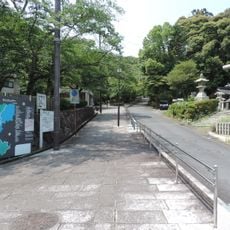
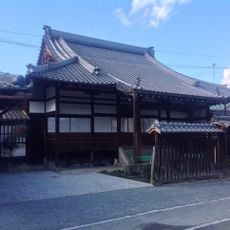
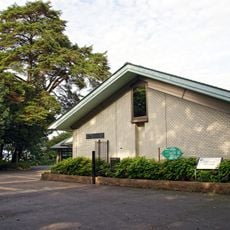
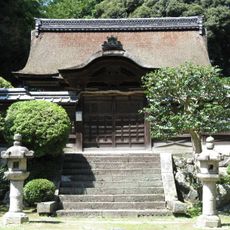
Gesshin-ji, Buddhist temple in Ōtsu, Japan.
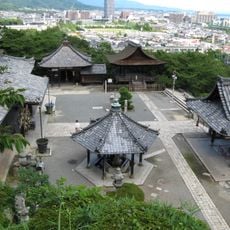
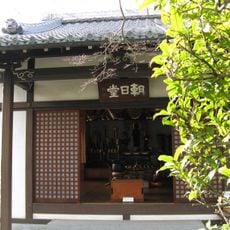
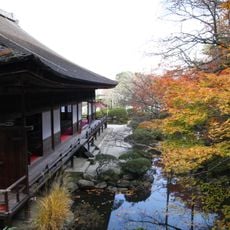
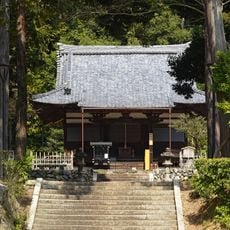
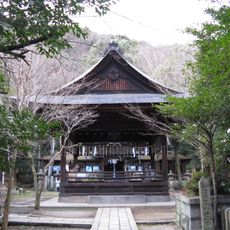
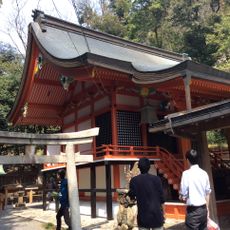
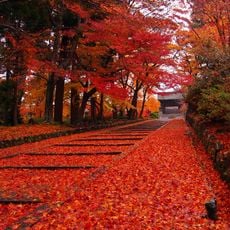
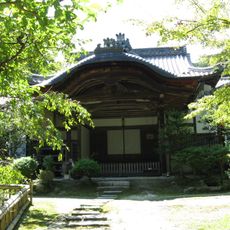
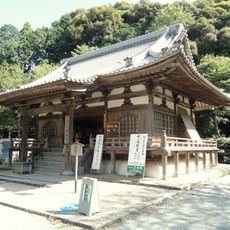
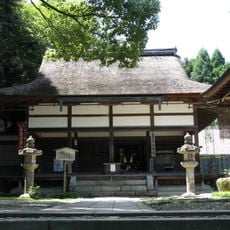
Gesshin-ji is a Buddhist temple in Otsu, the capital city of Shiga Prefecture on the southern shore of Lake Biwa. The grounds bring together traditional wooden buildings and a Japanese garden where stone paths connect different areas of the property.
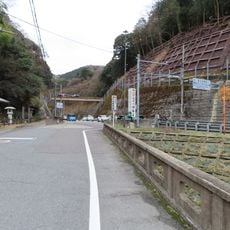
The site was the Runoi teahouse at Oiwake, a stop on the Tōkaidō near Ōsaka Barrier, depicted by Hiroshige in the Fifty-three Stations of the Tōkaidō. After the town declined with the widening of Route 1 and the opening of the Tōkaidō Main Line, the teahouse moved to Yawata and the building decayed. In 1914 the painter Kansetsu Hashimoto bought it as his villa, named Runoikyo, and in 1954 it became a temple with the arrival of master Murakami Dokutan from Tenryū-ji Jiseiin.
The temple keeps the name of the teahouse it replaced, the Hashiri-i Chaya, and its grounds still produce the famous Hashiri-i water praised in The Pillow Book. The garden, called Oiwake Hashirii Garden, is attributed to the painter and tea master Soami. The temple is also known for shojin ryori, and the sesame tofu made by abbess Murae Myodo was so renowned that it inspired the NHK morning drama Honmamon.
The temple stands on the site of the former Hashirii tea house, on the old Tokaido road at the Osakayama barrier, now in Otsu. The grounds are reached from Otsu Station; the temple is a short walk from the station. Visitors can see the Hashirii spring, which still flows in the precinct.
The grounds contain an old well curb that once supplied water to travelers on one of Japan's main historic road routes. This small relic connects the story of this property with the broader history of movement and travel in the region.
The community of curious travelers
AroundUs brings together thousands of curated places, local tips, and hidden gems, enriched daily by 93,381 contributors worldwide.