Eikoku-ji, Buddhist temple in Tachibana district, Nagoya, Japan
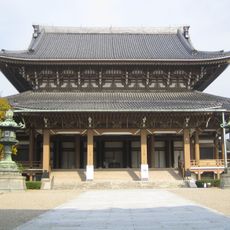
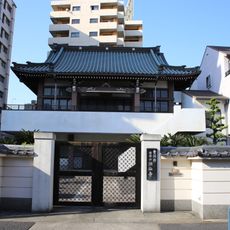
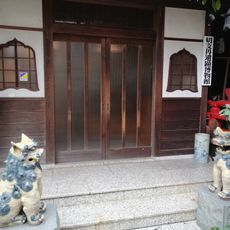
Eikoku-ji is a Seizan Jōdo-shū temple in Tachibana 1-chōme, Nagoya, founded in 1665 on the former Senbon-Matsubara execution ground. Its main hall houses a 223 cm wooden Amida Nyorai seated statue with crystal eyes, said to have been moved from Yakushi-ji in Tanokuchi, Niwa District, in 1666. The grounds also contain the Senbonzuka (Kirishitan-zuka) mound and the Kirishitan Iseki Museum, opened in 1969.
The temple was founded in 1665 by Tokugawa Mitsutomo, a lord of the Owari domain, during a period of Buddhist expansion in Japan. This establishment marks an important moment when Pure Land Buddhism grew in prominence throughout the region.
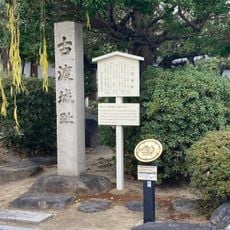
The temple keeps a Kirishitan legacy: a stone memorial tower was raised on the execution site in 1649, and the grounds hold the Kirishitan Iseki Hakubutsukan, opened in 1969, displaying about 100 items such as Maria Kannon and fumi-e collected by the Buddhist altar dealer Sato Keiichi. Since 1986 the Catholic Nagoya Diocese has held a Mass here each February, the Nagoya Martyrs' Festival, and in 1996 erected a monument in the precinct.
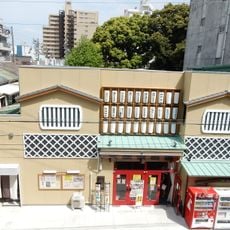
Eikoku-ji is a short walk from Higashi-Betsuin Station on the Nagoya Municipal Subway Meijo Line. The grounds hold the main hall, the Senbonmatsubara Christian mound and the Kirishitan Iseki Museum, open 9:00-17:00 but closed Sundays, national holidays and the year-end and New Year period.
The temple grounds hold a museum opened in April 1969, built around a Buddhist altar maker's collection: Maria Kannon images, fumi-e plaques and about 100 items of Christian and Nanban art. Since 1986 the Catholic Nagoya Diocese has held a Mass here each February for the Nagoya martyrs, and in 1996 it erected a monument on the site.
The community of curious travelers
AroundUs brings together thousands of curated places, local tips, and hidden gems, enriched daily by 94,020 contributors worldwide.