Chōfuku-ji, Buddhist temple in Ōsu district, Nagoya, Japan
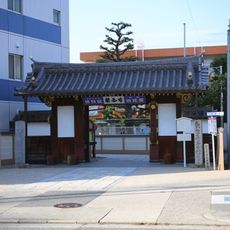
Chōfuku-ji is a Buddhist temple in Nagoya's Ōsu district, distinguished by its substantial wooden structures and traditional Japanese architectural design. The grounds feature prayer halls, altar chambers, and small gardens arranged according to classical Japanese layout principles.
Founded in 735 by Gyōki in Kaizu, Ama district, as Shōgaku-in, it became Nanatsudera after Ki no Korehiro built seven halls and twelve monks' quarters in 787. Moved to Nakashima district in 1167 and renamed Inen-zan Chōfuku-ji, it was transferred to Ōsu in 1611 by order of Tokugawa Ieyasu. The main hall and three-storey pagoda burned in the 1945 air raid; only the kyōzō survived.
The temple's name, Nanatsudera ("Seven Temples"), comes from the seven halls and twelve monks' quarters built in 787 by Ki no Korehiro for his son who died at seven. Today the main image is Kannon, and a Kannon service is held on the 18th of each month; the temple is also the 9th stop on the Tōkai Thirty-Six Fudō pilgrimage.
The temple sits in the heart of Ōsu and is easily accessible by public transport, making it convenient for visitors. Exploring the grounds is best done at a relaxed pace, particularly in early morning or late afternoon when fewer people are around.
The temple's bronze Dainichi Nyorai statue, cast in the Kansei era (1789–1801), still bears visible patches from the 19 March 1945 Nagoya air raid. The temple keeps a complete Buddhist canon, the Nanatsudera Issaikyō, in 3,398 scrolls held in 30 black-lacquered chests.
The community of curious travelers
AroundUs brings together thousands of curated places, local tips, and hidden gems, enriched daily by 94,671 contributors worldwide.