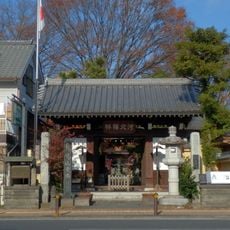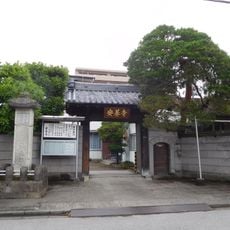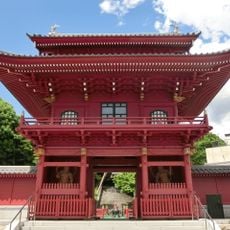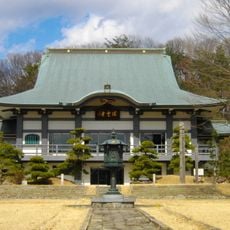
桂林寺, Buddhist temple in Utsunomiya, Japan.
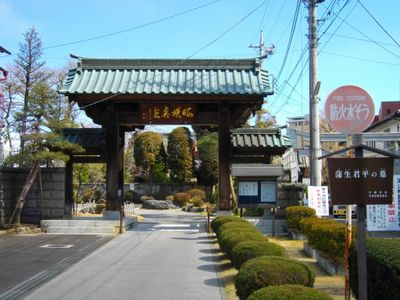
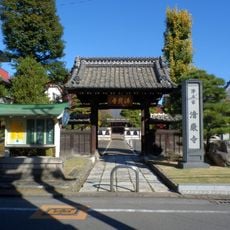
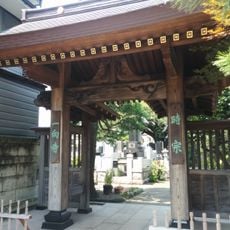
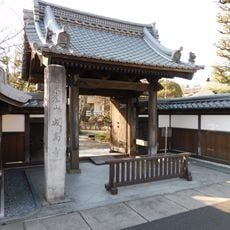
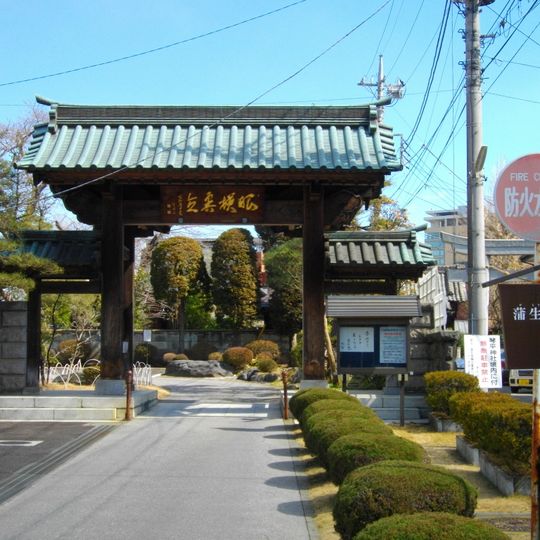
Keirin-ji is a Sōtō Zen temple in the Kiyosumi 1-chōme district of Utsunomiya, founded in 1396 by Utsunomiya Mitsutsuna. Its grounds hold a main hall, a lecture hall, an octagonal Kannon hall with a wooden frame and copper-plate tile roof, and a mountain gate. The main hall enshrines a hidden wooden standing statue of Shō Kannon, shown only on 18 March.
Keirin-ji was founded in 1396 by Utsunomiya Mitsutsuna, the 12th head of the Utsunomiya clan, as a Soto Zen temple with the mountain name Shoho-zan. In 1868, during the Boshin War, Aizu forces of the old shogunate attacked and burned the temple; Choshu and Ogaki troops of the new government then shelled the old shogunate army from nearby. The temple was rebuilt afterwards and survived the great Utsunomiya air raid of 12 July 1945.
The temple keeps the tombstone of Gamō Kunpei (1768–1813), a scholar whose 1814 work on imperial tombs made him an early advocate of reverence for the emperor. His remains were buried at Rinkō-ji in Yanaka, but in 1881 a lock of his hair was reburied here, at his family's temple, with a tombstone. The cemetery also holds graves of Utsunomiya domain samurai killed in the 1868 Battle of Utsunomiya Castle.
The site is within walking distance from JR Utsunomiya Station, making it accessible for those using public transportation. The grounds are relatively easy to navigate, though some areas require climbing stairs and sturdy footwear is recommended.
In the cemetery stands the grave marker of Gamō Kunpei (1768–1813), a scholar of imperial loyalism whose Yamatogaku research earned praise from Emperor Meiji. He died in Edo and was buried at Rinkō-ji in Yanaka; in 1881 a lock of his hair was interred here, at the temple holding his family grave. The cemetery also holds memorial stones for Utsunomiya retainers killed in the 1868 Battle of Utsunomiya Castle.
The community of curious travelers
AroundUs brings together thousands of curated places, local tips, and hidden gems, enriched daily by 94,616 contributors worldwide.