Senju Hikawa-jinja, Shinto shrine in Japan
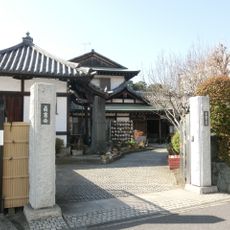
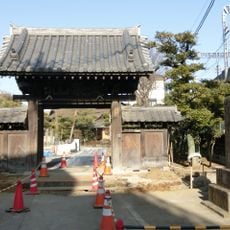
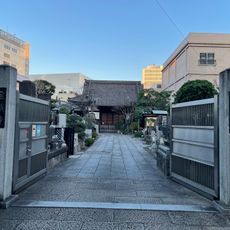
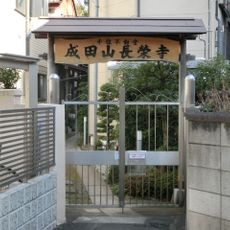
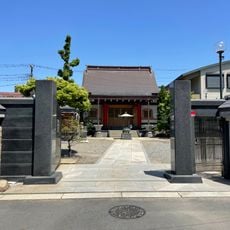
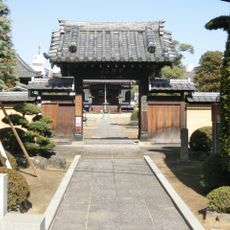
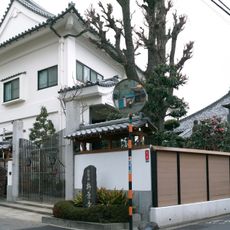
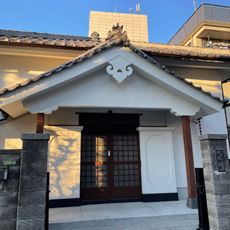
Senju Hikawa-jinja is a small shrine in the Senju district of Tokyo featuring simple wooden structures with sloping roofs and carved details typical of traditional design. The grounds include stone lanterns, a small altar for offerings, and are neatly maintained with greenery and trees that create a quiet retreat in the busy city.
Senju Hikawa-jinja was founded in 1691, in the fourth year of the Genroku era. In the early Meiji period, during the persecution of Buddhism, its honji-butsu (original Buddhist image) was moved to the temple that had served as its betto-ji. The shrine stands in Senju 4-chome, Adachi ward, about ten minutes on foot from Kitasenju Station.
The shrine's name comes from the Hikawa shrines of Musashi Province, and it is also called Senju Hikawa-jinja after the district. Within the grounds stand subsidiary shrines to Takamasa Tenmangu, Inari and Sarutahiko. Takamasa Tenmangu honours a Sugawara no Michizane statue of the Takanashi family, who led the reclamation of Senju 4-chome; the Masaki family, who inherited the household, built its small shrine, and the shrine's name combines the first characters of Takanashi and Masaki.
The shrine is easily accessible on foot from nearby train stations and sits in a lively neighborhood with shops and local eateries. Visiting is straightforward: enter through the torii gate, approach the main building, clap your hands and bow to offer prayers or leave coins in the donation box.
The shrine's festival float, built in 1872, stands 7.5 metres tall and is registered as a cultural property. A pair of large banners also survives: one 15 metres long from 1752, and another brushed by the scholar Kameda Bosai in 1817.
The community of curious travelers
AroundUs brings together thousands of curated places, local tips, and hidden gems, enriched daily by 93,473 contributors worldwide.