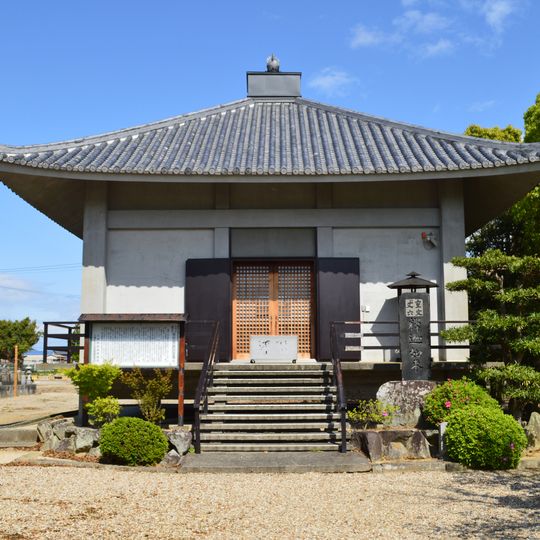
Awaji-Kokubun-ji, Buddhist temple in Minamiawaji, Japan
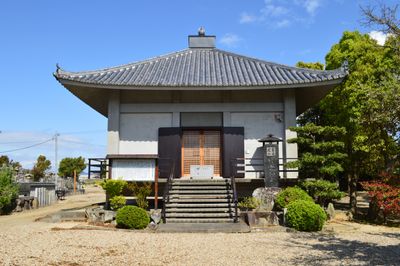
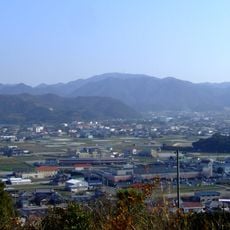
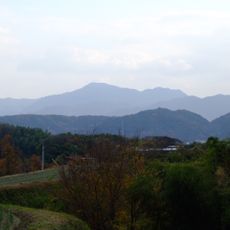
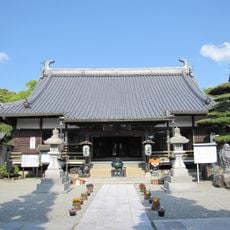
Awaji-Kokubun-ji is a Ritsu-sect temple situated on a river terrace along the Mihara River bank in southern Awaji Island, near where the provincial capital once stood. The foundation stones of the Nara-period pagoda received National Historic Site designation in 1951 and remain accessible for public viewing.
Emperor Shomu ordered the temple's construction during the Nara period between 710 and 794 as part of a coordinated network of provincial temples across Japan. This construction reflects a major moment in Buddhism's spread throughout the Japanese islands during this era.
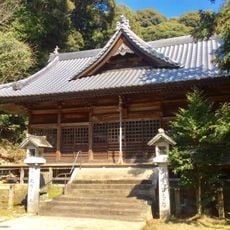
The temple houses a wooden statue of Shaka Nyorai carved in the 1300s, which stands as one of the site's most important art pieces. Visitors walking through the grounds encounter traditional Japanese architectural features woven into the buildings and layout.
The site sits on elevated ground that can become muddy during wet weather, so sturdy footwear is advisable. Visitors should allow time to explore the foundation stones and surrounding terrain, especially if interested in the archaeological aspects of the location.
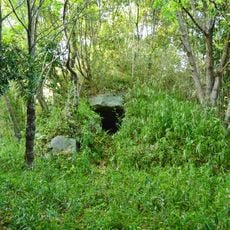
Archaeological excavations uncovered two specialized kilns that produced specific roof tiles used during the temple's early construction. These kilns reveal the craftsmanship and organization required to complete large building projects during the Nara period.
The community of curious travelers
AroundUs brings together thousands of curated places, local tips, and hidden gems, enriched daily by 92,099 contributors worldwide.