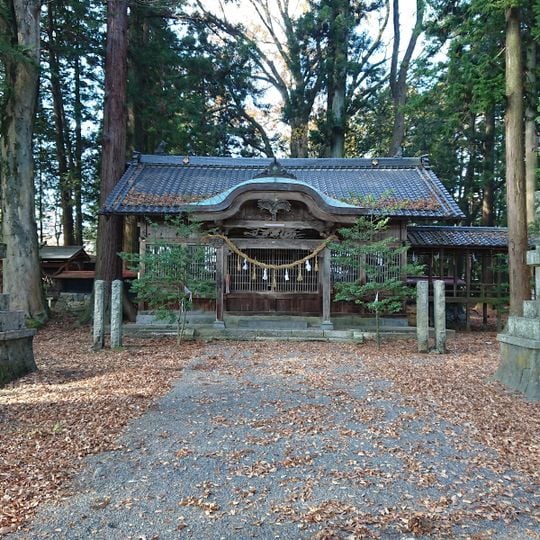
波多神社, Shinto shrine in Hata, Matsumoto, Japan
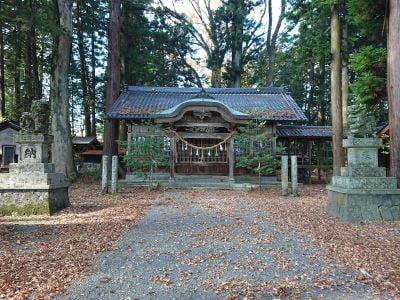
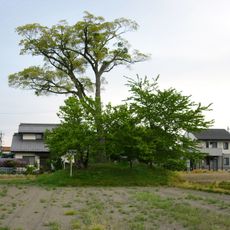
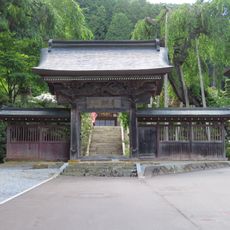
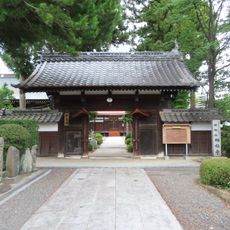
Hata Shrine stands in the Aokibara area of Kamihata, Matsumoto, at the top of a slope from the Kamikochi Line's Fuchidō Station. Its grounds hold an oak said to be over 800 years old, a kagura hall built in 1754, and a vermilion four-legged torii of 1767. The shrine, the Tamura-dō, the Niō-mon and the Amida-dō stand side by side.
The sanctuary was established around 725 and has served the local community as a spiritual center for over 1200 years. It underwent multiple name changes across centuries and was later formally recognized under the modern religious system of the late 1800s, incorporating smaller nearby shrines into its jurisdiction.
From the mid-Edo period, parishioners pulled decorated festival floats, called kadai, before the deities; the practice began around the Kyōhō era (1716–1735). A dispute between the Akamatsu and Fuchitōshima hamlets over the order of pulling the floats halted it for about 40 years from 1801 until a settlement in 1841. In 1953 poor harvests led to the cancellation of float pulling and guest invitations, with only the rites held.
From Shinano-Kokubunji Station on the Alpico Kamikochi Line, walk south and climb the slope; the shrine stands beside a square, Tamuradō, Niōmon and Amida Hall. The grounds are entered on foot, and the shrine office is on site.
The tree is a konara oak (Quercus serrata), not a generic oak, and Matsumoto City has designated it a Special Natural Monument. It stands in the shrine grounds said to have been founded around 725, and the shrine moved to its present site in 1504.
The community of curious travelers
AroundUs brings together thousands of curated places, local tips, and hidden gems, enriched daily by 95,134 contributors worldwide.