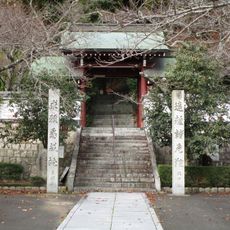
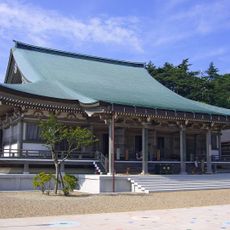
Mudoji, Buddhist temple in Kita-ku, Japan.
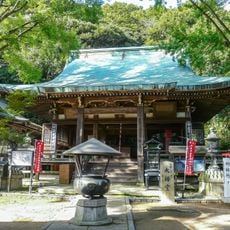
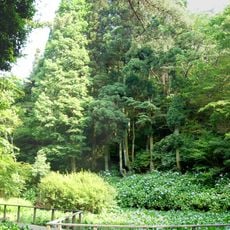
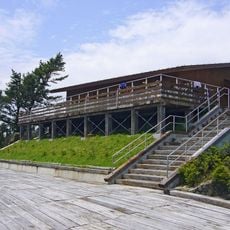
Mudoji is a Buddhist temple in Kita-ku featuring traditional wooden buildings and stone lanterns arranged within its grounds. The structures follow architectural principles common to Japanese Buddhist sanctuaries in the Kansai area.
According to tradition, Prince Shōtoku had Kurakukari no Tori carve a Dainichi Nyorai image to pray for victory over Mononobe no Moriya, then founded a seven-hall temple called Fukuji, the origin of Mudoji. The current halls were rebuilt in 1752 by the monk Shingen after more than twenty years of fundraising. In the Meiji era, the temple was briefly abolished under the separation of Shinto and Buddhism, then revived as Mudoji, and in 1875 it integrated its branch temples.
Mudoji is stop 10 on the Kinki 36 Fudo Sacred Sites route, between Dairyuji (9) and Kaburaiji (11); it is also stop 12 on the Kobe 13 Buddha circuit and stop 9 on the Settsu 33 Kannon circuit. The temple's name comes from Fudo Myoo, Acala, whose statue here dates from the Heian period. The grounds also hold a stone group of the 88 Shikoku pilgrimage sites.
Mudoji stands in the northern hills of Kobe, reached by road rather than by train; the grounds are terraced, with the main hall, okuden and Fudo hall on different levels. The independent Wakaoji Shrine and the stone statues of the Shikoku 88 pilgrimage sites lie within the same precinct. Allow time to move between levels on foot.
Mudoji is stop 10 on the Kinki 36 Fudo Sacred Sites pilgrimage, stop 12 on the Kobe 13 Buddha circuit and stop 9 on the Settsu 33 Kannon route. The temple also holds a group of 88 stone Buddhas modelled on the Shikoku pilgrimage, letting visitors complete that circuit inside the grounds.
The community of curious travelers
AroundUs brings together thousands of curated places, local tips, and hidden gems, enriched daily by 93,853 contributors worldwide.