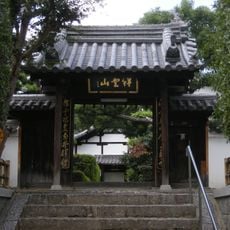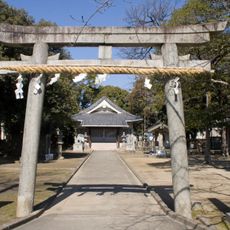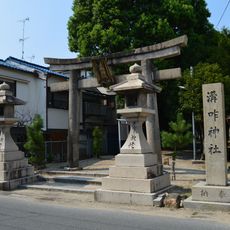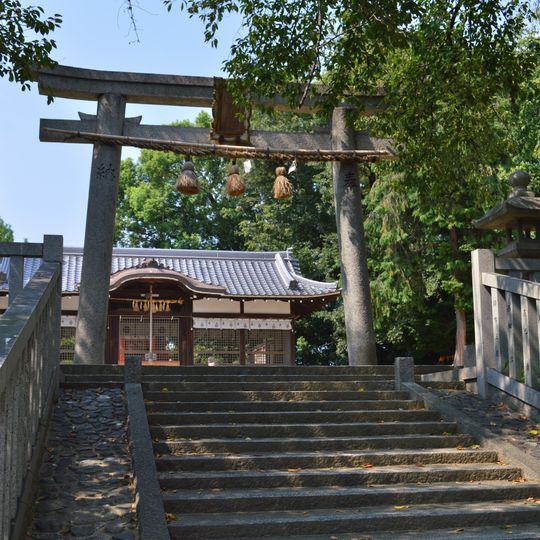
Mure-jinja, Shinto shrine in Ibaraki, Osaka Prefecture, Japan
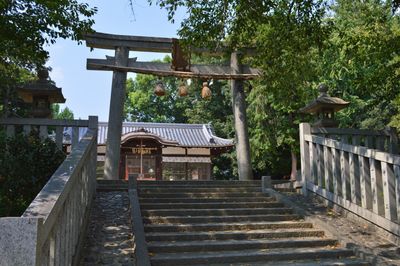
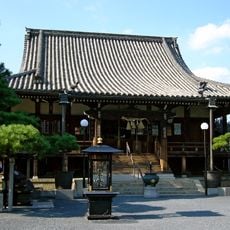
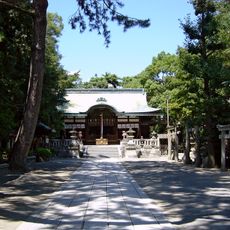
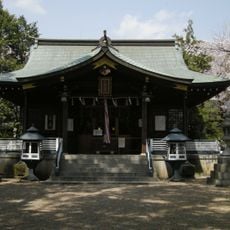
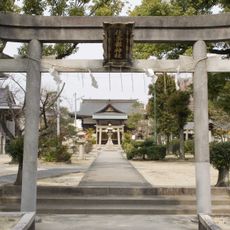
Mure-jinja is a small Shinto shrine in Ibaraki Prefecture with simple, traditional buildings surrounded by green trees. Clean stone paths lead through the quiet grounds where visitors make offerings and pray at the altars.
Mure-jinja appears in the Heian-period Engishiki as Mure Shrine of Shimashimo District, Settsu Province. One theory holds it first enshrined Onakatsuhiko-no-mikoto, ancestor of the Mure clan. To escape Oda Nobunaga's burning of shrines, the deity was falsely declared Gozu Tennō and Kasuga. In 1704 it was returned from Mure to Nakamura, in 1872 ranked a village shrine, and in 1939 moved to its present site for the Ai River works.
The shrine's name appears in the Engishiki, a 10th-century register of shrines, as Mure Shrine of Shimashimo District, Settsu Province. According to one theory it first enshrined Onakatsuhiko-no-mikoto, ancestor of the Mure clan, as recorded in the Kojiki; the deities were later presented as Gozu Tenno and Kasuga to escape Oda Nobunaga's burning of shrines.
The shrine is easy to reach by bus or train and sits not far from train stations. A quiet walk through local streets leads there, allowing visitors to experience the neighborhood and everyday life in the community.
The shrine's deities were changed to Hachiman and Kasuga to protect it from Oda Nobunaga's burning of temples, and this substitution was never reversed. The main hall is a building transferred in 1940 from the Kitamuki Hachiman Shrine, built in 1606 by Katagiri Katsumoto.
The community of curious travelers
AroundUs brings together thousands of curated places, local tips, and hidden gems, enriched daily by 94,743 contributors worldwide.