Ibaraki-jinja, Shinto shrine in Japan
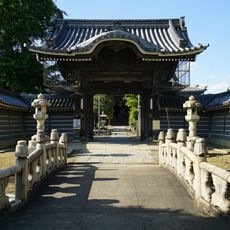
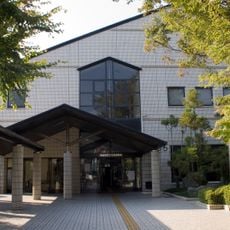
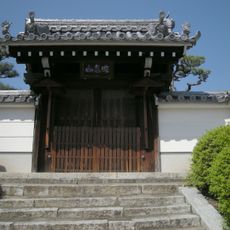
Ibaraki-jinja is a Shinto shrine in Ibaraki City, Osaka Prefecture, made up of traditional wooden buildings with tiled roofs set on a tree-lined grounds. The main hall and secondary structures are arranged around a central courtyard, with a gravel path leading toward the prayer area.
According to shrine tradition, the origin dates to 807, when Sakanoue no Tamuramaro established the village of Keikiri no Sato and founded Ameno-Iwatowake Shrine, now the inner sanctuary. The shrine stood in present-day Miyamoto-machi; it was later moved to its current site, reportedly when Kusunoki Masashige built Ibaraki Castle. In 1580 Nakagawa Kiyohide donated 13 koku of shrine land.
The shrine is dedicated to Susanoo-no-Mikoto, a central figure in Japanese mythology. In June, a ritual takes place where visitors walk through a large ring made of reeds, a gesture meant to drive away misfortune for the coming months.
The shrine is within walking distance of several train stations in Ibaraki City and works well as a short stop. Visiting early in the morning tends to be more relaxed, as the grounds draw more visitors during festivals and holidays.
Behind the main hall there is an old well called Kuroi no Shimizu, said to have been used by the warlord Toyotomi Hideyoshi for his tea ceremonies. The well is still visible today and gives the site a connection to a very different chapter of Japanese history.
The community of curious travelers
AroundUs brings together thousands of curated places, local tips, and hidden gems, enriched daily by 93,444 contributors worldwide.