Higashi Nara, archaeological site in Osaka Prefecture, Japan
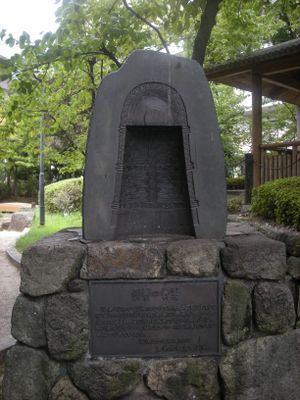
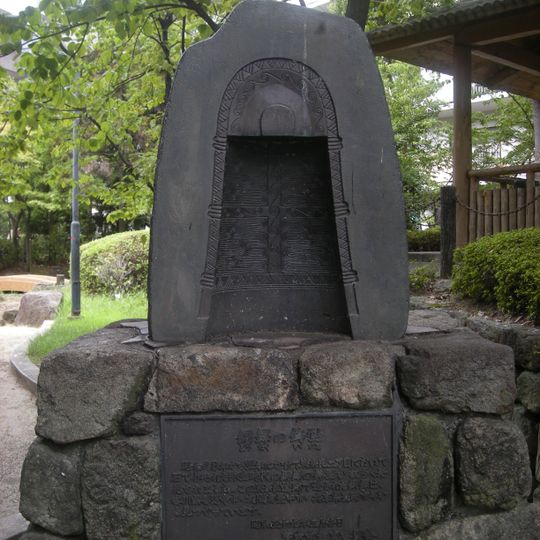
Higashi Nara is a large Yayoi-period settlement site in southern Ibaraki, Osaka Prefecture, east of Minami-Ibaraki Station. It had a double ring moat enclosing raised-floor buildings and many pit dwellings, with a broad burial area outside. Its workshop yielded 35 bronze-bell moulds, plus moulds for bronze halberds and comma-shaped beads.
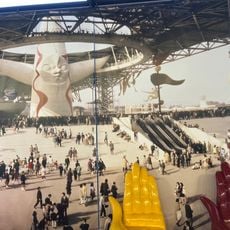
The site was found in 1973 during construction of the large housing complex around Minami-Ibaraki Station, opened with Expo '70. It holds a Yayoi-period settlement with a double moat, pit dwellings and raised-floor buildings, plus a wide burial area and later Kofun and medieval remains. Its bronze-casting workshop yielded 35 moulds for bronze bells (dotaku), three for bronze halberds and four for comma-shaped beads; the moulds were designated a National Important Cultural Property in 1983.
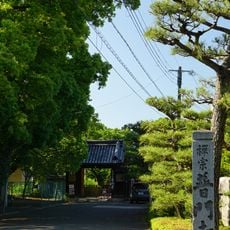
The neighbourhood is called Sawaragi, and the local Sawaragi Shrine honours Kagutsuchi; kagu is an old word for copper and sawaragi can be read as sawara (bronze ware) plus gi (village), pointing to a district tied to bronze working. Bronze bells cast in the site's moulds have been found across the Kinki region and as far as Shikoku.
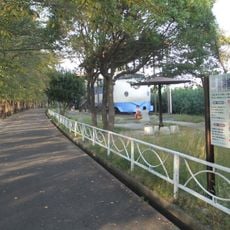
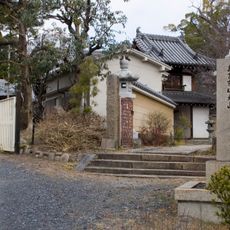
The site sits on a hillside, so visitors should wear sturdy shoes and be ready for uneven ground. Since this is an active or preserved dig, access may be limited or restricted, so checking conditions beforehand is wise.
Among the finds is a miniature bronze bell (dōtaku) just 14.2 cm tall. Its size and the 35 casting moulds for bronze bells found in the workshop make it a key to the unresolved question of where these bells originated.
The community of curious travelers
AroundUs brings together thousands of curated places, local tips, and hidden gems, enriched daily by 93,767 contributors worldwide.