Kanagawa Waterworks Memorial Hall, Waterworks museum in Samukawa, Japan
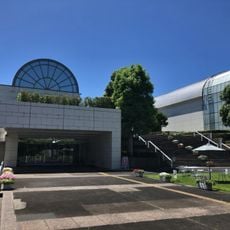
Kanagawa Waterworks Memorial Hall is a museum in Samukawa that displays models, diagrams, and objects showing the engineering principles behind water distribution systems across Kanagawa Prefecture. The exhibits explain how water moves from natural sources to homes and communities throughout the region.
Samukawa's first water purification plant broke ground in 1933 and was completed in 1936, costing 5.55 million yen, of which Yokosuka paid about 1.47 million; it supplied 1 city and 9 towns through roughly 51.4 km of pipes. The museum opened in March 1984 in the plant's disused pumping station for the 50th anniversary of the prefectural waterworks, and was renewed in March 2003.
The outdoor Water Plaza has a stream modelled on the Sagami River, which runs through central Kanagawa to Sagami Bay, with trees from the prefecture's municipalities planted along both banks. Near the entrance stands a fountain donated in 1984 by Yoshikuni Jiro, then president of the Bank of Yokohama, for the 50th anniversary of the prefectural water service.
The museum is closed on Mondays, over the New Year holidays (29 December to 3 January) and during the fourth week of February, so plan around those dates. Opening hours are 9:30 to 16:30, and admission is free. The nearest stations are Miyayama and Samukawa on the JR Sagami Line; buses stop at Samukawa Post Office.
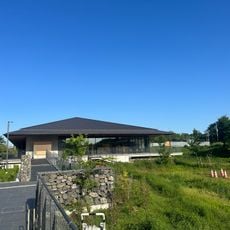
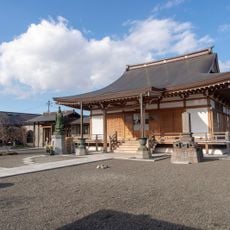
The building itself is a former water-supply pump station of the Samukawa No. 1 Purification Plant, finished in 1936 and clad in scratch tiles like the Kanagawa Prefectural Government headquarters. It was chosen for the Ministry of Health's 1985 "Modern Waterworks Top 100" and certified as a Japan Society of Civil Engineers Selected Civil Engineering Heritage in 2013.
The community of curious travelers
AroundUs brings together thousands of curated places, local tips, and hidden gems, enriched daily by 93,590 contributors worldwide.