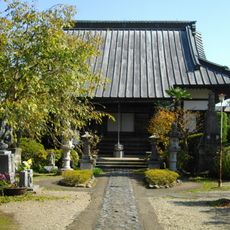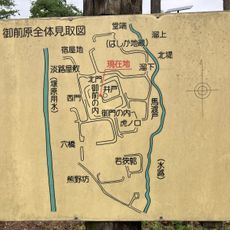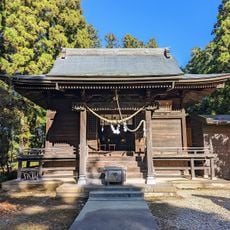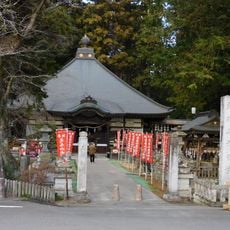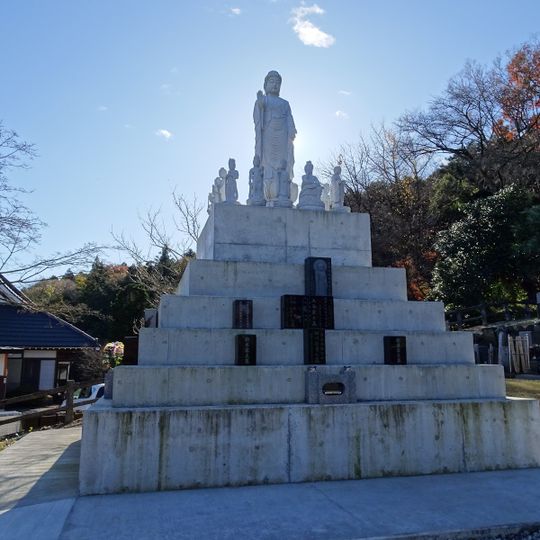
玄性寺, Buddhist temple in Otawara, Japan
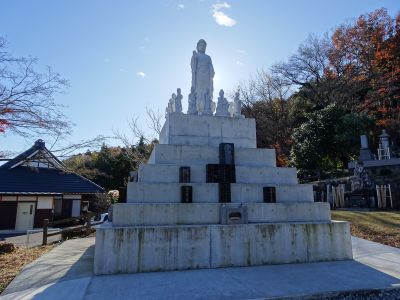
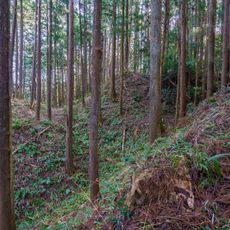
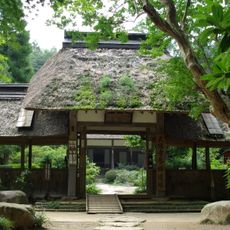
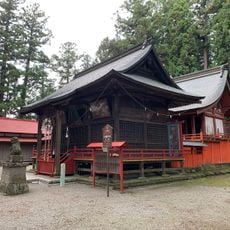
Genshoji is a Buddhist temple in Otawara featuring traditional wooden buildings with characteristic architectural elements such as pagodas and halls for worship. The grounds contain multiple spaces designed for prayer and contemplation as well as ceremonial activities.
The temple began as Kōshō-in, founded by the third Nasu lord, Nasu Sukeyuki, who enshrined a portion of the ashes of his brother Nasu Yoichi, buried at Sokujō-in in Kyoto's Higashiyama. Kōshō-in was abandoned in 1514. In 1590 Nasu Sukekage, who had inherited the Nasu house at age five, invited the Sōtō Zen monk Tetsuson and rebuilt the site as Genshōji, named for his son Sukeshige, who died in 1642.
The temple is the family temple of the Nasu clan. Every September, a grave-front ceremony and an archery tournament are held in memory of Nasu Yoichi, whose remains were divided and interred here. The temple's name combines the posthumous names of Nasu Sukekage and his son Sukeshige.
The temple is accessible from Otawara via marked paths, with dedicated areas throughout the grounds for visitors to pray and meditate. Wearing comfortable shoes is advisable as you will need to walk through different parts of the complex.
The temple's full name is Sufumine-zan Rurikō-in Genshōji, and its main image is Yakushi Nyorai, the Buddha of healing. The name Genshō comes from the posthumous name of Nasu Sukeshige, son of the lord who rebuilt the temple; Sufumine comes from his father's. Every September a memorial service and an archery tournament are held at the grave of Nasu Yoichi.
The community of curious travelers
AroundUs brings together thousands of curated places, local tips, and hidden gems, enriched daily by 94,677 contributors worldwide.