Iwaseoyama Kofun Cluster, Ancient burial mound cluster in Takamatsu, Japan
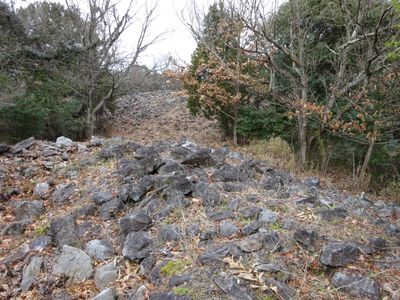
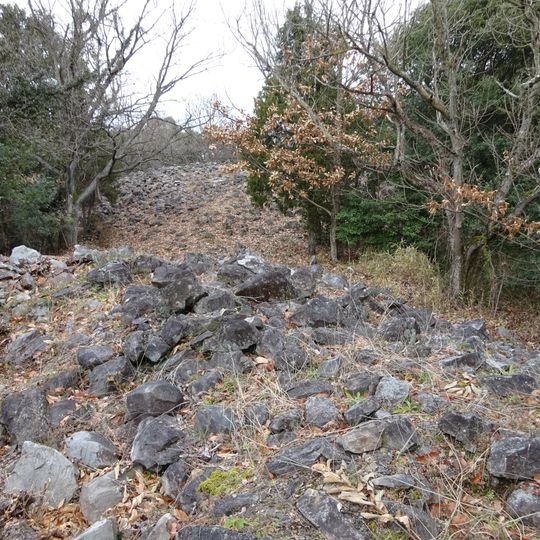
The Iwaseoyama Kofun Cluster is a group of over 200 burial mounds on the Iwaseo mountain ridge in Takamatsu, including more than 200 round and keyhole-shaped mounds and piled-stone mounds (andesite). The Nekozuka Kofun, 96 meters long, is the largest. The mounds are maintained as a hiking course.
The cluster's stone-piled mounds were built between the 3rd and 5th centuries; no tombs were raised here for about a century from the late 5th century, and the corridor-chamber burial mounds date from the late 6th to early 7th century. In 1934 the Ishibunezuka mound alone was designated a National Historic Site; in 1985 ten more mounds were added and the designation renamed Iwaseoyama Kofun Cluster, and Tsuruo Shrine No. 4 Kofun followed in 1989.
The tombs show how the deceased were buried with valued possessions like bronze swords and mirrors. These burial practices offer insight into the beliefs and social status of people from that era.
The mounds lie on the ridge of Mount Iwaseoyama, about 15 minutes by car from Takamatsu Station on the JR Yosan Line. The kofun are kept as a hiking course, so expect uneven ground along the trail. Sturdy shoes help on the ridge paths.
Nekozuka Kofun, 96 meters long and 5 meters high, is the largest mound in the cluster. It was robbed in antiquity, yet excavation of nine pit stone chambers in its central round section recovered five bronze mirrors, including one of the Naikōkamonshinkyō type, seventeen bronze swords, eight bronze arrowheads, a jasper stone bracelet, three cylindrical bronze objects, iron swords, arrowheads and axes, and one Haji ware jar. Most of these finds were bought by the Tokyo Museum in 1912.
The community of curious travelers
AroundUs brings together thousands of curated places, local tips, and hidden gems, enriched daily by 93,467 contributors worldwide.