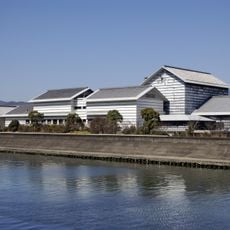
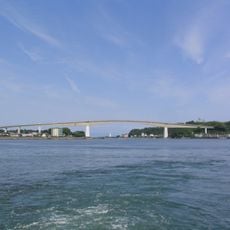
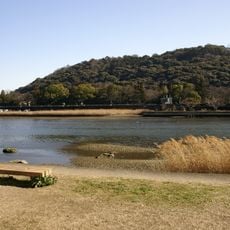
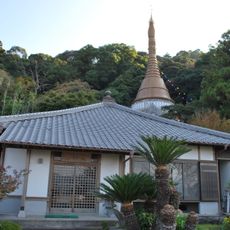
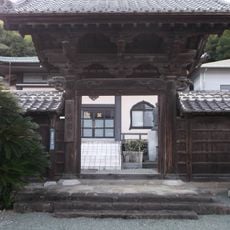
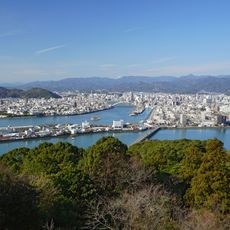
Zenjibu-ji, Buddhist temple in Nankoku, Japan
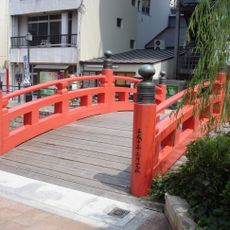
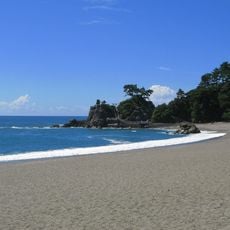
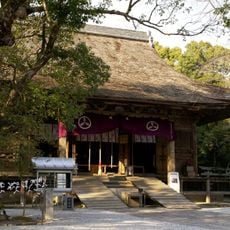
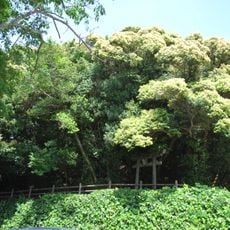
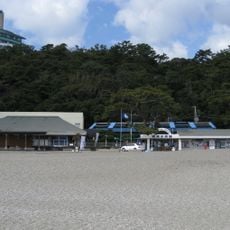
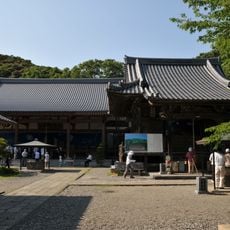
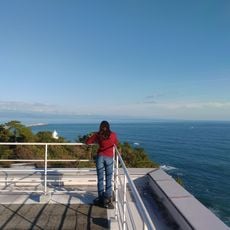
Zenjibu-ji is a Shingon Buddhist temple in Nankoku, Kōchi Prefecture, and the 32nd stop on the Shikoku 88 Temple Pilgrimage. A mountain path climbs from the foot of the hill past a water basin to the Niō Gate, where a statue of Fudō Myōō stands; beyond, stone steps lead to the bell tower and the main hall, with the Daishi Hall and Jizō Hall to its left. The hilltop looks out over Tosa Bay.
Emperor Shōmu ordered the temple built to protect the priest Gyōki during a sea voyage, giving the site a connection to maritime safety from the start. Later, Kūkai, the founder of Shingon Buddhism, gave the temple its current name and added it to the pilgrimage route.
The main image, an eleven-faced Kannon, is known as Funadama Kannon, the ship-spirit Kannon, and fishermen long prayed to it for safety at sea. From the time of Yamauchi Kazutoyo, lords of the Tosa domain worshipped here before leaving Urado Bay for the sankin-kotai journey to Edo. Locals usually call the temple Mine-ji, so the name Zenjibu-ji may not be understood.
The temple is best visited as part of the pilgrimage route, and sturdy footwear is recommended since the path runs through hilly, forested ground. Going early in the day gives you more time before the trail between stops gets busy with other walkers.
Kūkai named the hill after Mount Potalaka, a place that appears in Buddhist texts as the home of the Bodhisattva of compassion. He also gave the temple the secondary name Gumonji-in after a meditation in which he called upon Akasagarbha, the Bodhisattva associated with memory and wisdom.
The community of curious travelers
AroundUs brings together thousands of curated places, local tips, and hidden gems, enriched daily by 93,616 contributors worldwide.