相良寺, Buddhist temple in Yamaga, Japan
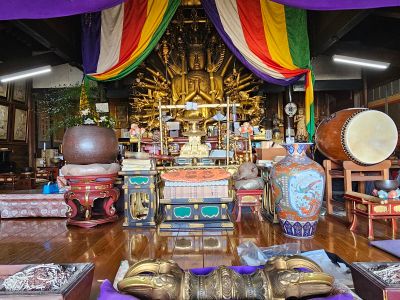
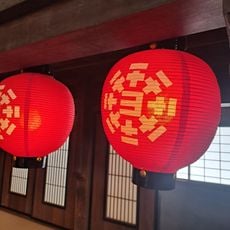
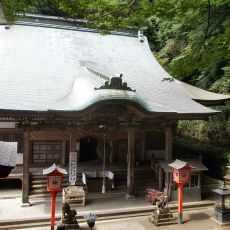
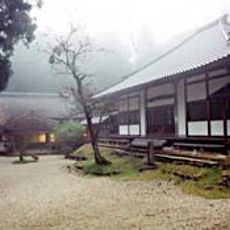
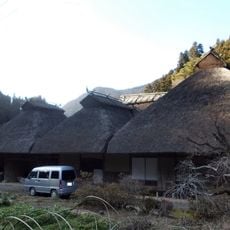
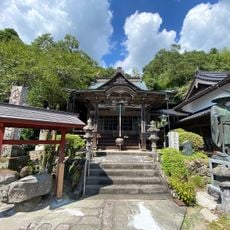
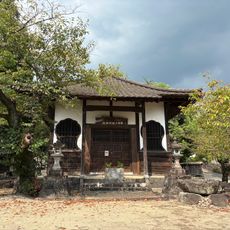
Sagara-ji is a Buddhist temple in Yamaga, built with wooden structures and curved roofs typical of traditional Japanese religious architecture. The complex is made up of several buildings arranged around open inner spaces used for daily rituals and ceremonies.
Sagara-ji is said to have been founded in 814 by Saichō, the founder of Enryaku-ji on Mount Hiei, though some sources name the Higo-born monk Shunryō instead. During the Genpei War, the temple was burned by Ogata Koreyoshi after Kikuchi Takanao's Taira troops holed up at Sagara. Kikuchi Takemitsu restored it in the Shōhei era, and it was rebuilt in 1877 after being abandoned in the Meiji period.
This temple serves as a center for local spiritual gatherings and seasonal celebrations that shape the rhythm of the community. Visitors can observe how people interact with the space through prayer and personal reflection.
As this is an active place of worship, visitors should dress modestly and move quietly through the grounds. Some parts of the complex may be closed to the public during ongoing ceremonies.
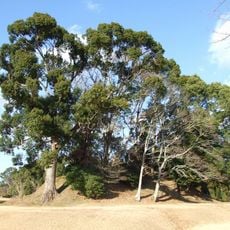
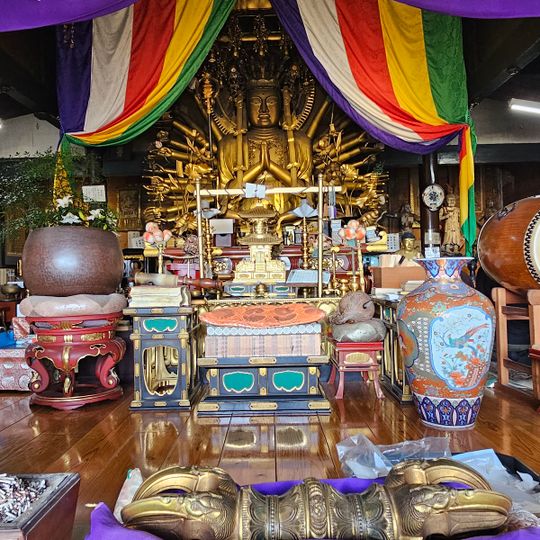
The temple's name for its famous vine, the Aira Tobikazura, comes from a legend that a thousand-armed Kannon statue fled into the vine when the temple was burned down. The vine grows wild nearby and is a designated natural monument.
The community of curious travelers
AroundUs brings together thousands of curated places, local tips, and hidden gems, enriched daily by 93,428 contributors worldwide.