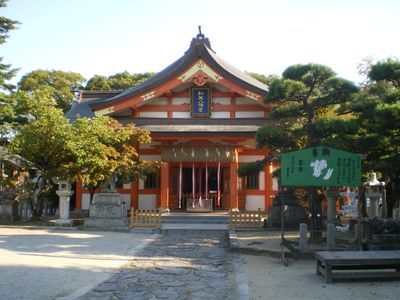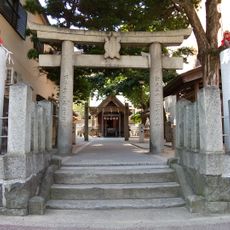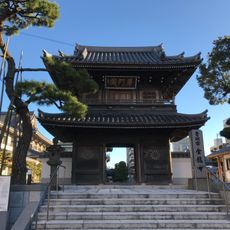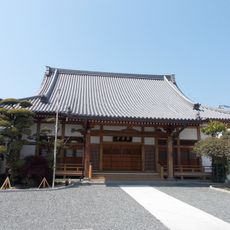
Momiji Hachiman-gū, Shinto shrine in Japan
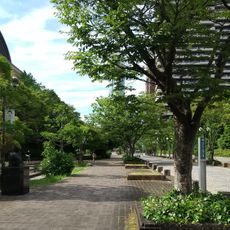
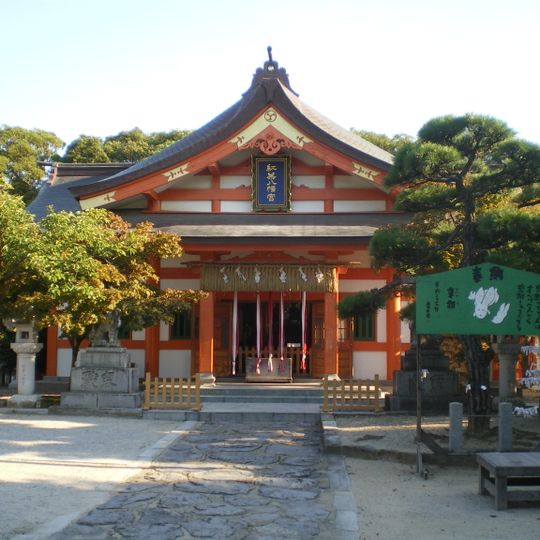
Momiji Hachiman-gū is a Shinto shrine in the Takatori area of Fukuoka's Sawara ward, surrounded by mature trees and stone lanterns. The wooden structures are modest in scale and sit alongside prayer plaque racks and a small garden.
The Shibata family, who moved from Shibata District in Mutsu Province during the Chiryaku era of the late Heian period, enshrined a divided spirit of their tutelary deity here. In 1482, their descendant Shigenobu Shibata built the Hachiman-gū in Hashimoto Village, Sawara District. In 1666 it was moved to Nishijin Hyakumatsubara, and in 1913 it was relocated to its present site in Takatori.
The name Momiji refers to the red autumn foliage of maple trees, which gives the shrine its identity through the seasons. Visitors can leave hand-written wooden prayer plaques on wooden racks and buy charms decorated with maple leaf motifs.
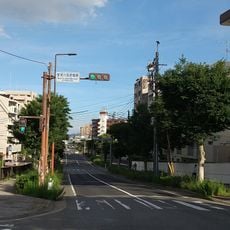
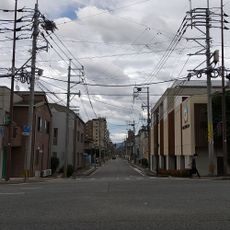
The shrine is easy to reach on foot in the Takatori area and is best explored slowly, giving time to take in the garden and wooden structures. A morning visit tends to be quieter and lets you move around the grounds without a crowd.
The shrine moved to its present Takatori site on 16 October 1913 because a railway line was laid near its former grounds in Nishijin. A Sugiyama Shrine that once stood at the front of the old precinct remains in Nishijin, slightly relocated. Hashimoto, the shrine's original home, now has its own Hashimoto Hachiman-gū.
The community of curious travelers
AroundUs brings together thousands of curated places, local tips, and hidden gems, enriched daily by 94,477 contributors worldwide.