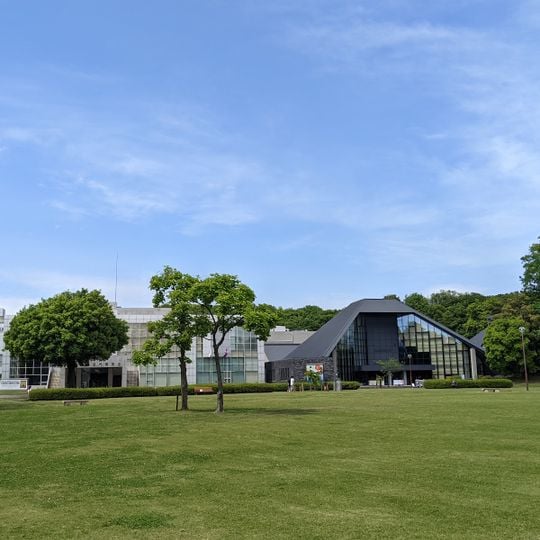
Forest of Gunma, Urban park in Takasaki, Japan.
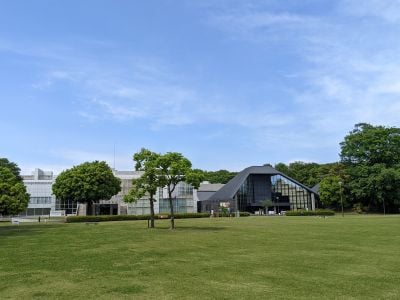
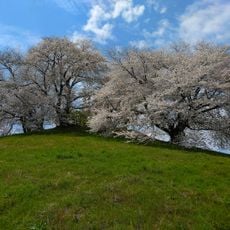
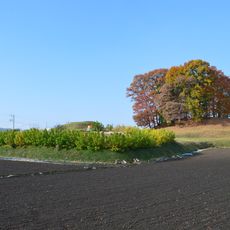
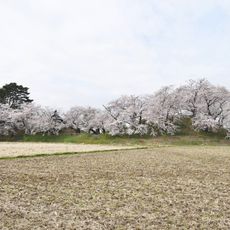
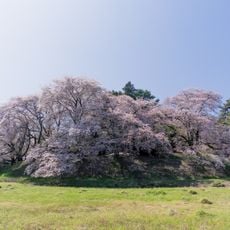
The Forest of Gunma is a large urban park with open lawns, walking paths, and cycling routes surrounded by thick groves of trees. The wooded sections create shaded areas throughout the grounds, while museums and recreational spaces are distributed across the landscape.
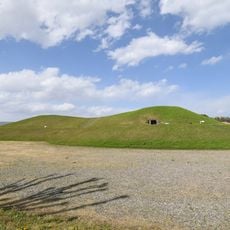
The site was a black-powder factory from November 1882, run by the Tokyo Artillery Arsenal as the Iwahana Powder Works, chosen for boat transport on the Karasu and Ino rivers and waterwheel power. It was renamed in 1923 and again in 1940, producing black powder, dynamite and military and industrial explosives until 1945. The park opened in 1974 as a Meiji centennial project; earthen blast walls and old buildings remain.
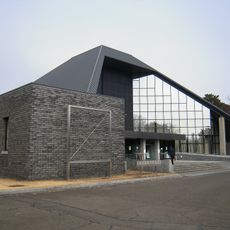
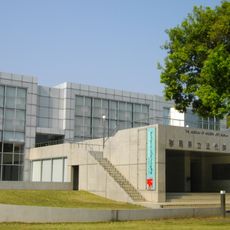
The art and history museums housed here display works by contemporary artists alongside objects that tell stories about the region and its people, creating spaces where visitors can learn about local traditions.
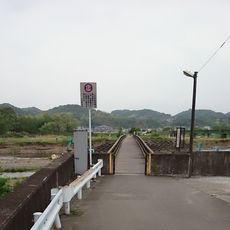
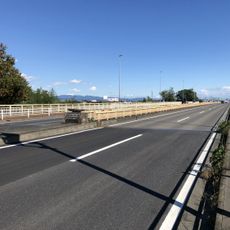
The park has no closing days; gates are open 7:30–17:30 from April to September and 8:00–17:30 from October to March. The cycling road through the grounds is part of the Takasaki-Isesaki cycle route. City buses from Takasaki Station west exit stop at the park in about 25 minutes; the main entrance faces Prefectural Route 13.
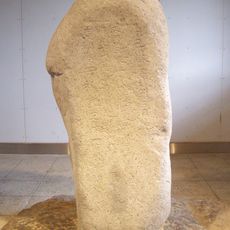
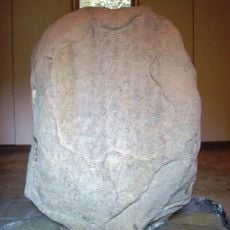
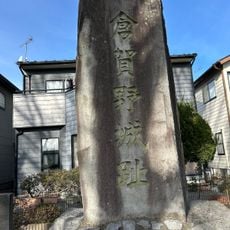
The park keeps remains of the former explosives plant: earth mounds built to deflect blasts, plus old buildings and walls, still standing among the trees. Volunteers connected to the plant's workers and their families put up monuments on the grounds, including a dynamite memorial.
The community of curious travelers
AroundUs brings together thousands of curated places, local tips, and hidden gems, enriched daily by 94,086 contributors worldwide.