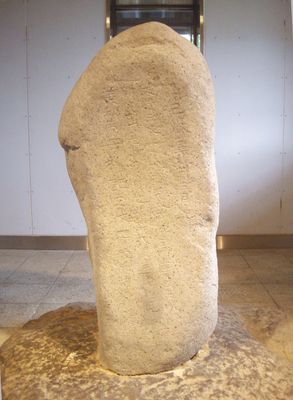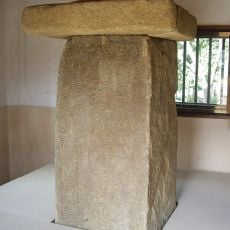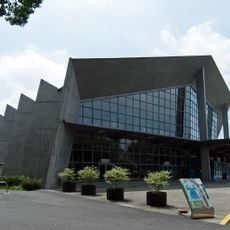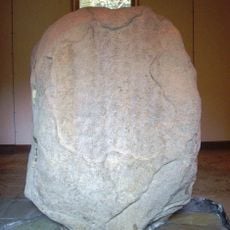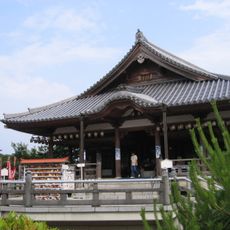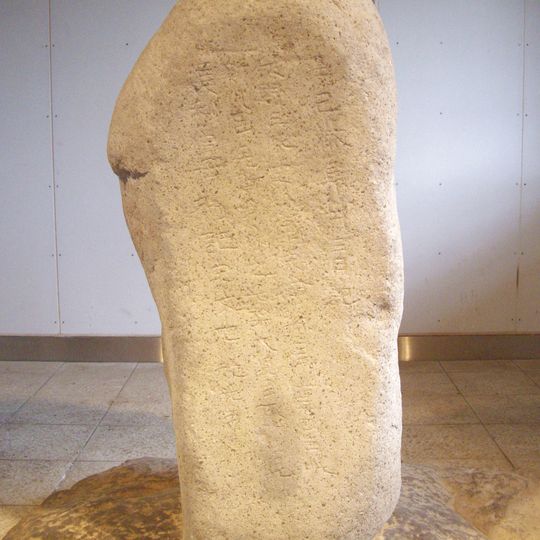
Yamanoue Stele, Asuka period stele in Takasaki, Japan.
The Yamanoue Stele is a stone monument from the Asuka period in Takasaki, Japan, carved from natural andesite. Its surface carries fifty-three characters arranged in four vertical columns that follow the natural shape of the rock.
The stone was commissioned in 681 by a Buddhist monk named Nagatoshi-no-hoshi as a memorial for his deceased mother. It is one of the oldest dated inscriptions in Japan and shows how Buddhist practice and early Japanese writing developed together.
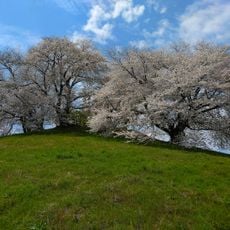
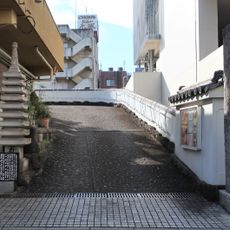
The name Yamanoue means 'top of the hill' in Japanese, which reflects the stone's position on a small rise above the surrounding land. The writing on the stone follows Chinese characters but arranges them according to Japanese grammatical order, which visitors can observe as an early example of how the Japanese language was put into written form.
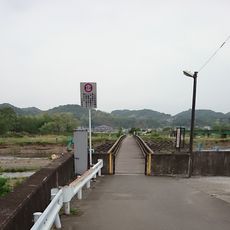
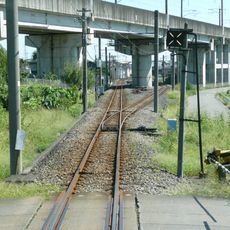
The stele can be reached on foot from Yamana station or by a free shuttle bus that connects the three historic stones in the area. Visiting all three in one outing is straightforward, and the shuttle runs during daytime hours only.
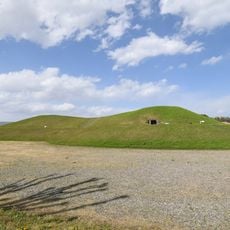
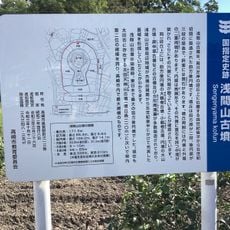
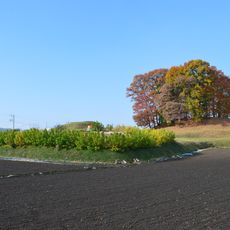
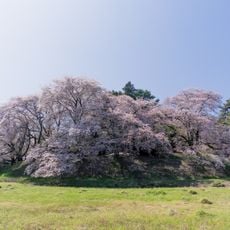
Right beside the stone sits a burial mound from the 6th century where the commissioner's mother was laid to rest, placing two different periods of history side by side at the same spot. Of the handful of ancient stelae of this type still standing in Japan, this one is among the best preserved in terms of legibility.
The community of curious travelers
AroundUs brings together thousands of curated places, local tips, and hidden gems, enriched daily by 90,834 contributors worldwide.