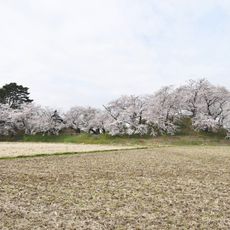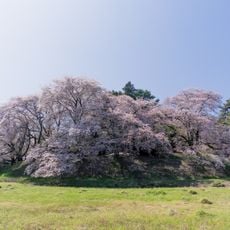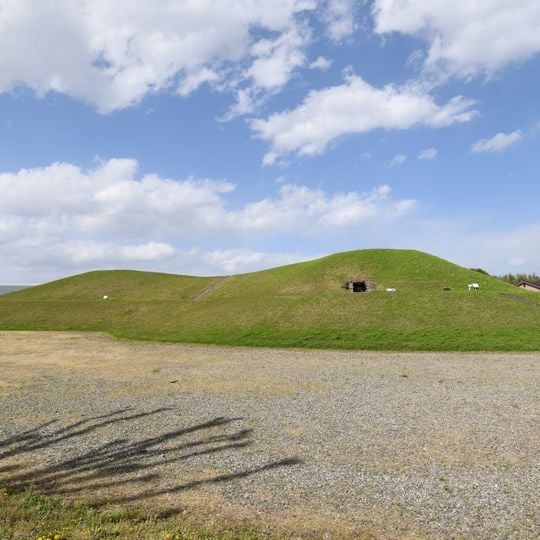
Watanuki Kannon-yama Kofun, Keyhole-shaped burial mound in Takasaki, Japan
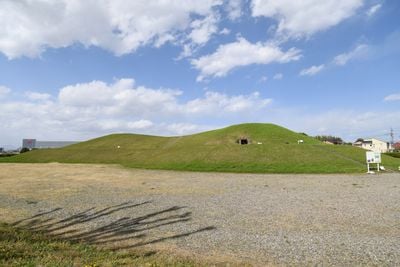
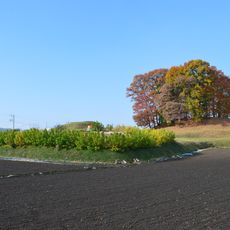
Watanuki Kannon-yama Kofun is a keyhole-shaped burial mound built in the late 6th century in Takasaki. Its two-tier design connects a rectangular upper section to a circular lower portion, creating an immediately recognizable earthen form.
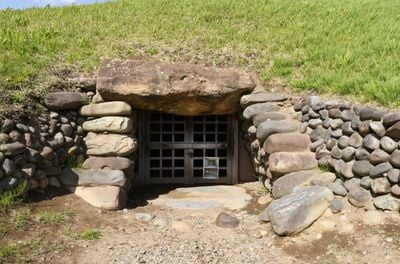
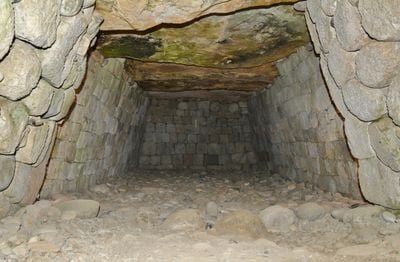
Built in the late 6th century, this mound reflects burial practices of that era in eastern Japan. The interior stone chamber and its contents later revealed connections to distant regions and the social standing of the buried individual.
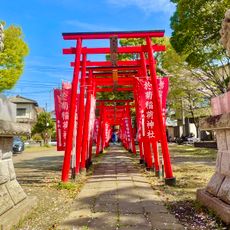
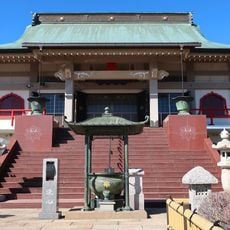
The name references the Kannon deity and a mountain, reflecting how spiritual meaning later attached to this burial place. Walking around the mound today, visitors sense how this location once marked the importance of a community member.
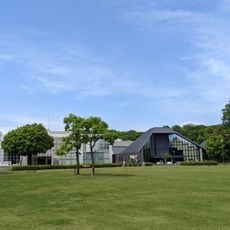
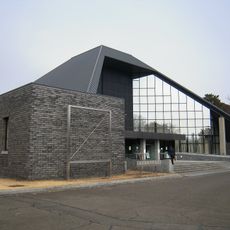
The site opened to the public in 1981 and functions as a historical park for visitors to walk around. Most of the artifacts discovered here are displayed in a nearby museum where you can learn more about what was found.
Objects found in the burial chamber closely resemble items from King Muryeong's tomb in Korea, suggesting ancient trade routes connected distant lands. These surprising parallels reveal how far relationships extended during this historical period.
The community of curious travelers
AroundUs brings together thousands of curated places, local tips, and hidden gems, enriched daily by 60,000 contributors worldwide.