高崎神社, Shinto shrine in Japan
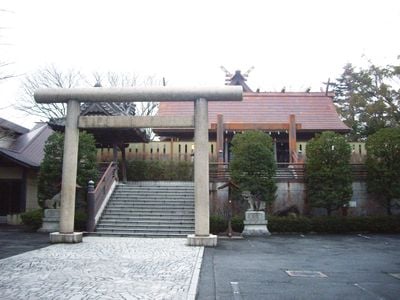
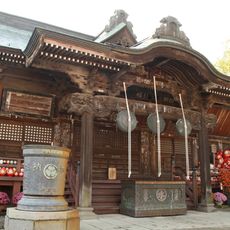
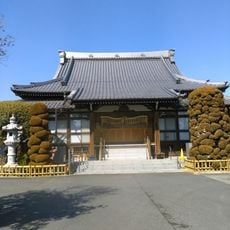
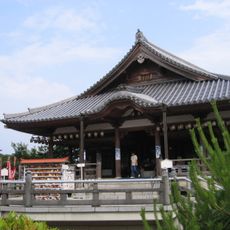
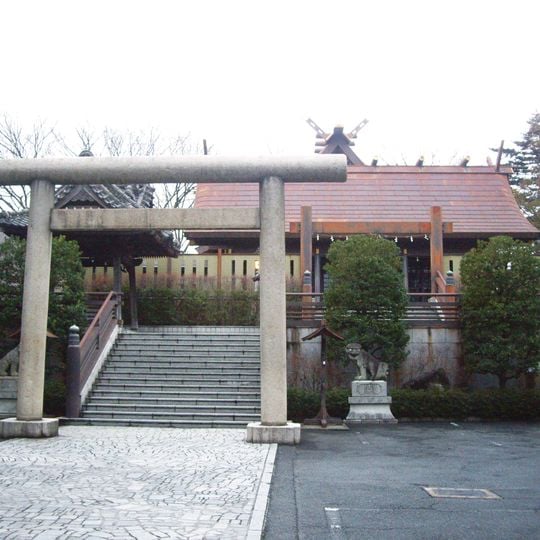
Takasaki Shrine is a Shinto sanctuary in the center of Takasaki city built in the traditional nagare-zukuri style with a gently curved roof that extends outward. The grounds include twelve smaller shrines, a wooden main hall, and are surrounded by trees that create a peaceful environment for prayer and reflection.
The sanctuary was founded in 1243 by local ruler Wada Kotaro Masanobu and was originally called Kumano Shrine. In 1907 it received its current name Takasaki Shrine after becoming a central place of worship for the city, and later the spirit of Ebisu, the god of commerce, was added to the grounds.
The shrine serves as a gathering place for the local community during New Year celebrations and the annual Ebisu Market festival held each November. Visitors purchase omamori charms for protection and leave small offerings, maintaining customs that connect everyday life with spiritual practice.
The shrine is accessible from Takasaki Station by bus in about eight minutes or on foot in about twenty-one minutes. Visitors can bring their prayers at any time of day, with mornings and late afternoons being quieter periods, and parking is available on site.
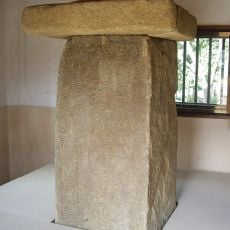
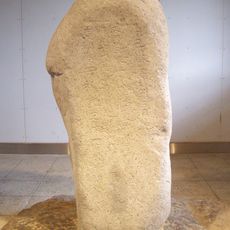
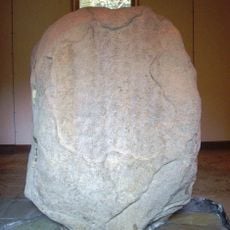
The sanctuary preserves an ancient bell called Wani Guchi dated to 1483 that is protected as an important cultural property, though it is not open to the public. On the grounds stands the famous Wada Stone, one of three historic stones connected to the Wada family in local legends.
The community of curious travelers
AroundUs brings together thousands of curated places, local tips, and hidden gems, enriched daily by 91,405 contributors worldwide.