Daruma-ji, Buddhist temple in Takasaki, Japan
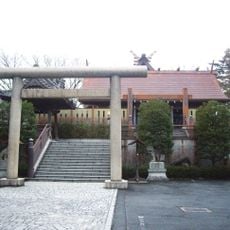
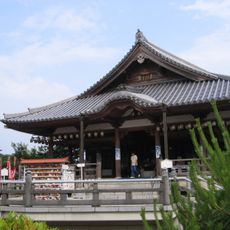
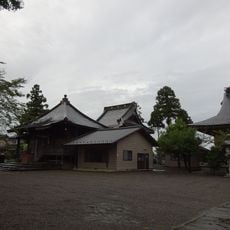
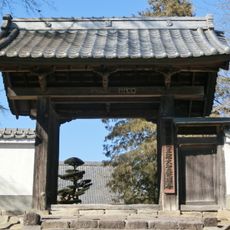
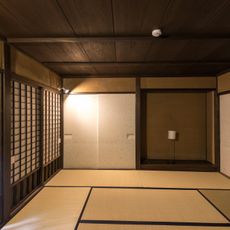
Shorinzan Daruma-ji is an Obaku Zen temple on the northern slope of the Hanadaka hill in Takasaki, Gunma Prefecture. Its halls hold rows of red papier-mâché daruma dolls brought from across Japan, and the temple grounds also contain Senshin-tei, a six-by-four-tatami teahouse built in the Taisho era.
Founded in 1697 by the ruling lord to protect his castle, Shorinzan began as a Soto Zen temple. A fire on 14 June 1881 destroyed the buildings and most old documents, so the founding details are uncertain; a bell inscription later dated the temple to 1712. During the Meiji era it was converted to the Obaku school.
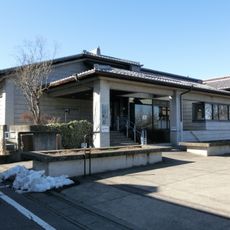
The temple is the birthplace of the Takasaki daruma: in the Tenmei famine of 1783–1787 the ninth-generation master Tōgaku taught villagers to make papier-mâché daruma from a single-stroke charm, giving them a livelihood. Every January 6 and 7 the Nanakusa Taisai daruma market fills the grounds, where old dolls are burned and new ones bought. The Daruma Hall displays daruma from across Japan.
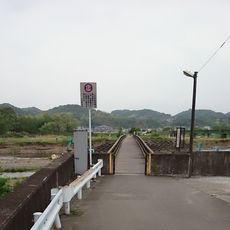
The temple sits on the northern slope of the Hanadaka hill; from JR Takasaki Station it is about 15 minutes by taxi, or 20 minutes on the Gururin Shorinzan loop bus. From JR Gunma-Yahata Station a taxi takes about 5 minutes. By car, use the Maebashi IC (20 min) or Takasaki IC (30 min) on the Kan-Etsu Expressway.
Senshin-tei, a 6x4-tatami room built in the Taisho era, housed Bruno Taut from 1933 to 1936. At his farewell party on October 10, 1936, he said he wanted his bones buried at the temple. The building is a prefectural historic site.
The community of curious travelers
AroundUs brings together thousands of curated places, local tips, and hidden gems, enriched daily by 94,325 contributors worldwide.