Minowa Castle, Mountain castle in Takasaki, Japan
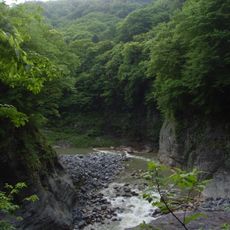
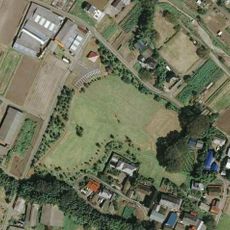
Minowa Castle is a hilltop castle (hirayamajiro) in the Misato district of Takasaki, Gunma Prefecture, built on a river terrace cut by the Haruna Shirakawa. Its baileys are arranged in a terraced style (teikaku-shiki), with the river to the west and the former Haruna Marsh to the south acting as natural moats. The grounds measure about 500 m east-west and 1,100 m north-south, covering roughly 47 hectares, and traces of stone walls, earthen ramparts and dry moats remain.
Nagano Yoshinaga built Minowa Castle in 1512, though some sources credit his son Nobuyoshi in 1526. Nagano Yoshimasa repelled repeated Takeda Shingen attacks until his death in 1561; the castle fell to Takeda in 1566 and Nagano Yoshimori killed himself. Ii Naomasa modernized it after 1590, but the castle was abandoned in 1598 when he moved to Takasaki.
The castle name comes from the Nagano clan, who held it from its founding until 1566, when Nagano Yoshimori died by his own hand. Each year on the last Sunday of October, the Minowa Castle Festival brings residents in handmade armour parading from the branch office through Nishiakiya to the castle, where a reenactment of the siege is staged.
The ruins sit in a wooded setting and require sturdy footwear, as paths can be uneven. Visitors planning to explore all the defensive lines should allow enough time and bring water.
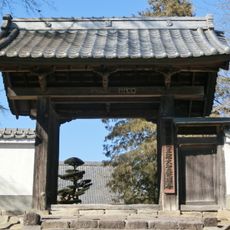
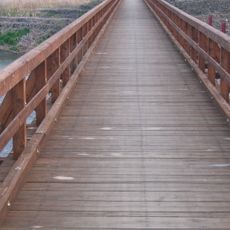
The castle grounds measured about 500 metres east-west and 1,100 metres north-south, roughly 47 hectares. The Haruna Shirakawa River to the west and Haruna Marsh to the south served as natural moats. In 2016 the Kakuuma Demaru west gate was rebuilt in wood.
The community of curious travelers
AroundUs brings together thousands of curated places, local tips, and hidden gems, enriched daily by 94,155 contributors worldwide.