Obori-jina, Shinto shrine in Japan
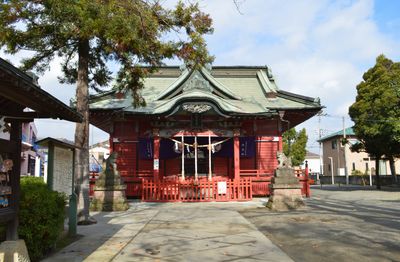
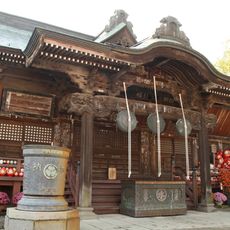
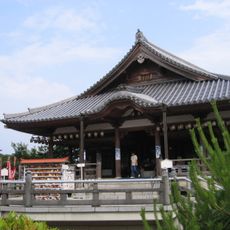
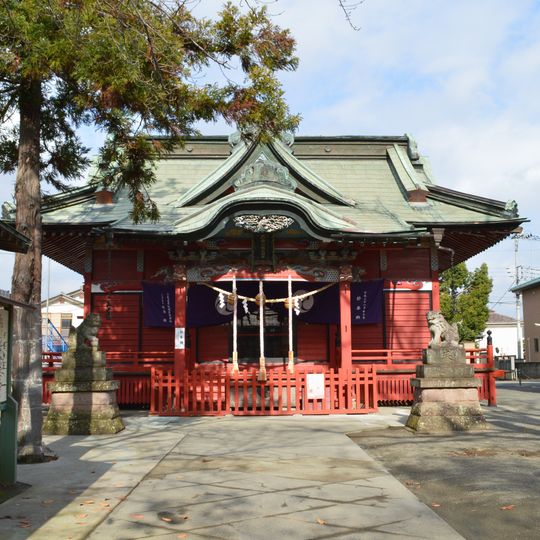
Obori-jina is a Shinto shrine in Takasaki, Japan, built in the Mune-hori-zukuri style with a copper-covered roof and simple wooden construction. Stone lanterns line the path to the main hall, and the grounds are enclosed by trees that separate the site from the surrounding streets.
The shrine has been in use since at least 880 and held a recognized status during the Edo period, when it received support from the ruling government. The main hall standing today was rebuilt in the early 1700s using traditional construction methods.
The name Obori-jina refers to local deities that have been honored here across many generations. Visitors can watch people leave offerings at the altar and collect goshuin, the red ink stamps that many Japanese carry in dedicated notebooks as part of their shrine visits.
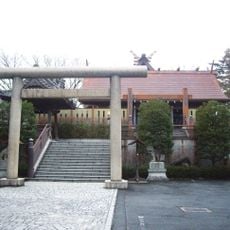
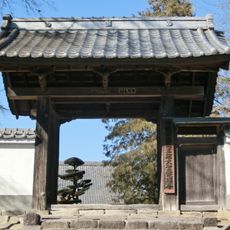
Visiting in the early morning or late afternoon on a weekday allows you to move through the grounds without many other people around. The entrance is marked by a large wooden gate, and the whole site can be walked around comfortably on foot in a short time.
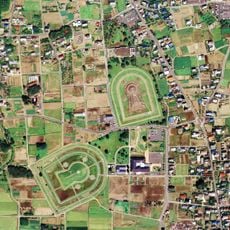
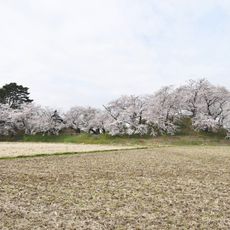
The main deity enshrined here is Sukuna Hikona, a figure from Japanese mythology associated with healing and protection from illness. Just nearby, ancient burial mounds from the late 4th and early 5th centuries stand alongside pottery fragments from the early Jomon period, pointing to a very long history of human presence in this spot.
The community of curious travelers
AroundUs brings together thousands of curated places, local tips, and hidden gems, enriched daily by 90,831 contributors worldwide.