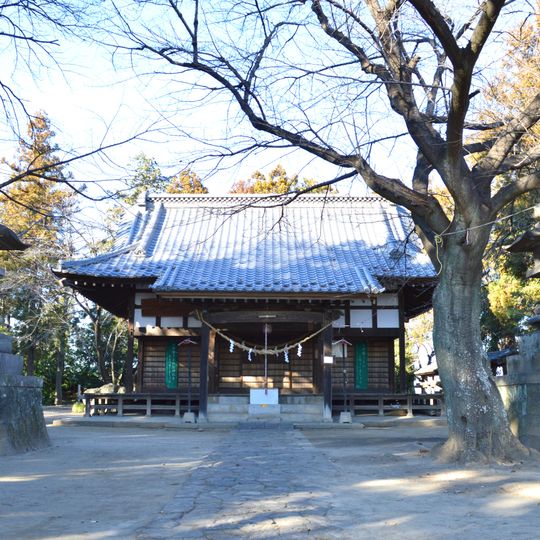
倭文神社, Shinto shrine in Japan
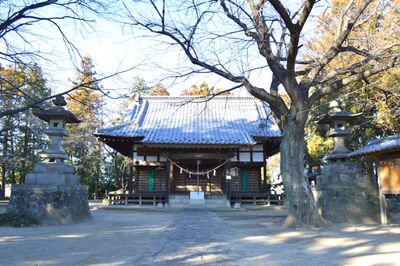
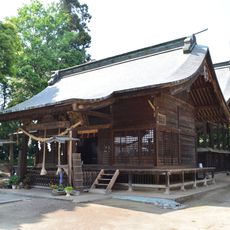
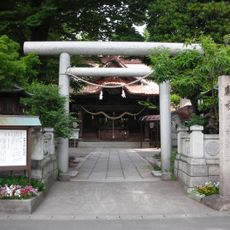
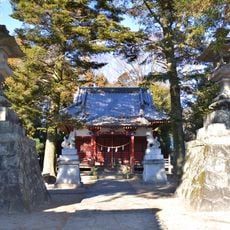
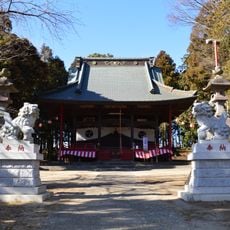
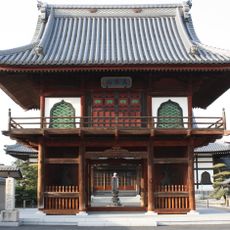
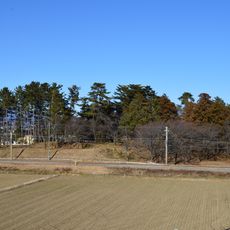
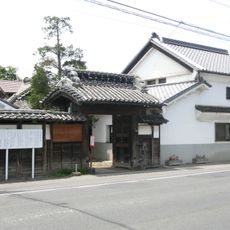
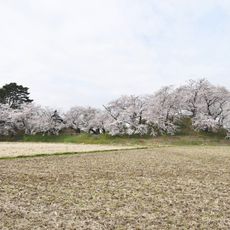
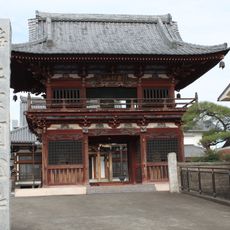
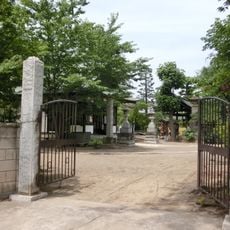
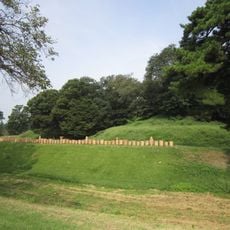
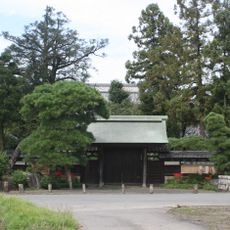
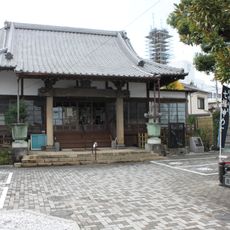
Wabun Shrine is a Shinto shrine located in Isesaki, Gunma Prefecture, built in the nagare-zukuri style where the roof extends out over the front entrance. The single-story wooden structure features white plaster walls with exposed wooden beams, sits within grounds surrounded by trees, and includes stone lanterns along pathways and a small prayer area.
Wabun Shrine is believed to have been built during the reign of Emperor Suinin and was officially recognized during the Heian period. The main hall was destroyed by fire in the 1860s but was rebuilt in 1880 using traditional woodwork and tile craftsmanship, and the shrine received official support and land grants from the Tokugawa shogunate during the Edo period.
Wabun Shrine is dedicated to Amabashitsukuo, a deity associated with weaving, farming, and silk raising, and this spiritual connection to textile work remains visible in the offerings visitors leave. The grounds serve as a gathering place where locals continue to pray for successful harvests and prosperous work in their crafts, keeping these traditional beliefs alive.
The shrine sits in a quiet setting with clearly marked pathways through the grounds, making it easy to explore on foot. Visit outside festival times to enjoy a peaceful atmosphere, though January brings the traditional Tagasobi rice-planting ritual if you wish to witness community ceremonies.
The shrine preserves a document called the Red Seal Letter, issued by Tokugawa Iemitsu and his successors during the Edo period, demonstrating official shogunate support. This historical record serves as a rare example of government endorsement and is protected as a cultural asset that speaks to the sanctuary's former influence.
The community of curious travelers
AroundUs brings together thousands of curated places, local tips, and hidden gems, enriched daily by 91,794 contributors worldwide.