Kannon-ji, Buddhist temple in Hanno, Japan
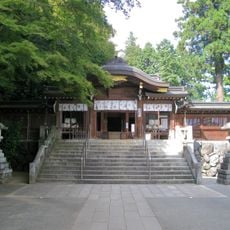
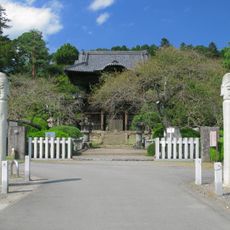
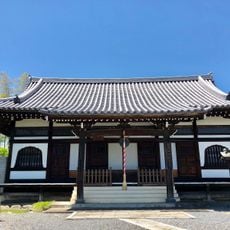
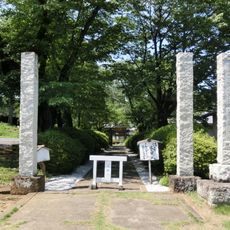
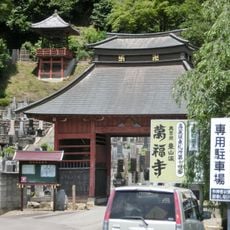
Kannon-ji is a Buddhist temple in Hanno with multiple halls and gates arranged around a central courtyard in traditional Japanese style. Stone lanterns and classical architectural elements define the physical layout and appearance of the complex.
Kannon-ji is a Shingon Chizan school temple in Hanno, Saitama Prefecture, known as Hannya-san Choju-in. During the Boshin War of 1868, the shogunate's Shinbu corps took refuge here along with Chikan-ji and Shinno-ji. A circus was held on the grounds until the 1950s, and the temple ran the Hanno Kindergarten, opened in 1953, until a new building was built to the north in 2003.
Kannon-ji belongs to the Musashino Seven Lucky Gods pilgrimage, and in the Fudō-dō hall stands a statue of Jurōjin, the god of longevity. On the east side of the grounds, the Hanno Kishimojin shrine was installed in November 2007 by the temple with the Hanno Chamber of Commerce, since pomegranates, the fruit tied to Kishimojin, were a local specialty. A face-in cutout board stands there for photos.
The temple is open from sunrise to sunset daily, with meditation sessions offered during morning hours. Visitors should be prepared for uneven paths and wear respectful clothing to honor the sacred nature of the space.
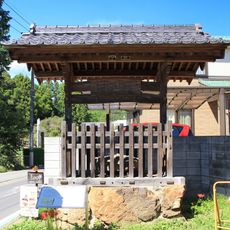
The bell tower lost its bell when it was requisitioned during World War II, leaving only the hall standing. Around 1965 the owner of the Kameya rice-cracker shop in Hanno Ginza made a papier-mâché white elephant, later placed in the hall. The elephant appears repeatedly in the manga and anime Yama no Susume, and a signboard and ema stand now draw fans.
The community of curious travelers
AroundUs brings together thousands of curated places, local tips, and hidden gems, enriched daily by 94,370 contributors worldwide.