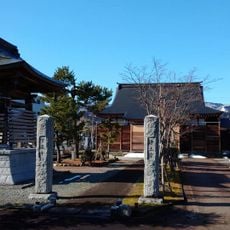
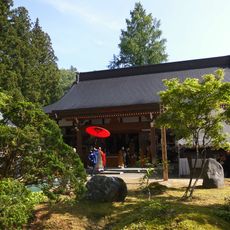
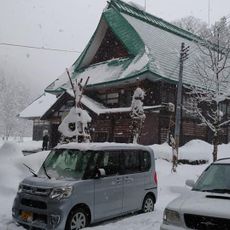
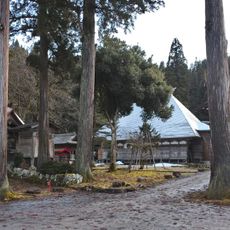
Yakushō-ji, Buddhist temple in Minamiuonuma, Japan.
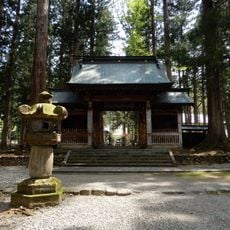
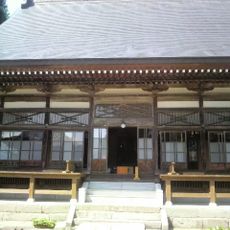
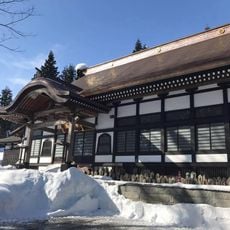
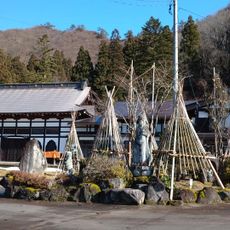
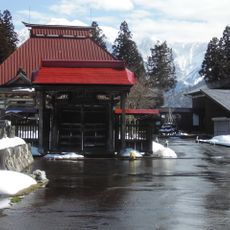
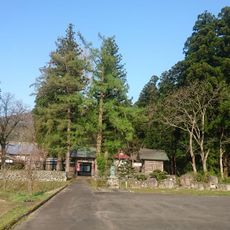
Yakushō-ji is a Shingon Chizan school temple in the Kizawa district of Minamiuonuma, Niigata Prefecture. Its main hall, rebuilt in 1783 after a fire in 1780, has a thatched roof and houses the temple's principal image, the healing Buddha Yakushi. The grounds also contain a treasure hall with paintings by Millet and Fujita Tsuguharu, old Chinese mirrors, ceramics and Tibetan ritual objects.
Yakushō-ji is said to have been founded in 1045 by Zenju. The temple burned in 1780 when a bird dropped a candle flame onto the thatched roof of the main hall; the present main hall was built in 1783. In August 1945 the Burmese leader Ba Maw, having fled to Japan, was sheltered here by the 77th abbot, Tsuchida Kakujō, and in December he surrendered to the Allied Lieutenant Colonel Figges.
The temple's name combines yakushi (healing Buddha) and shō (light), and its main image is Yakushi Nyorai. It is the 88th stop on the Echigo Shikoku 88-temple pilgrimage, the first of the Echigo Yakushi pilgrimage, and the 22nd of the Uonuma Kannon pilgrimage. The great katsura tree was once used to make incense from its fragrant leaves, burned before the Buddha.
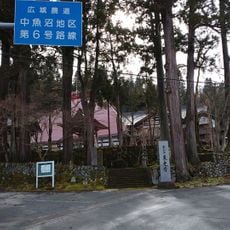
The temple is located in a rural area and is easiest to reach by car, though local buses also serve the area. Visitors should check opening hours in advance as they may vary by season.
The great katsura tree on the grounds is a prefectural natural monument, designated on 29 March 1973. It is about 400 years old and was damaged in the 1780 fire; its main trunk was later used as timber for the veranda of the main hall. Its fragrant leaves were once processed into incense and burned before the Buddha.
The community of curious travelers
AroundUs brings together thousands of curated places, local tips, and hidden gems, enriched daily by 94,704 contributors worldwide.