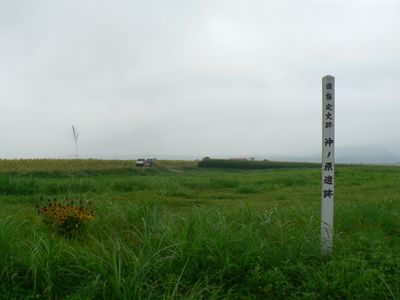
Okinohara Site, Archaeological settlement in Akazawa, Tsunan, Japan
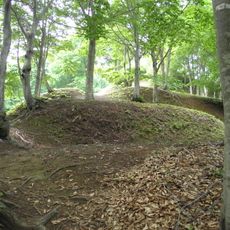
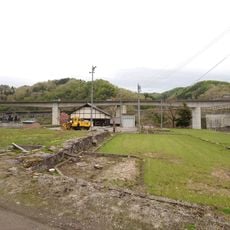
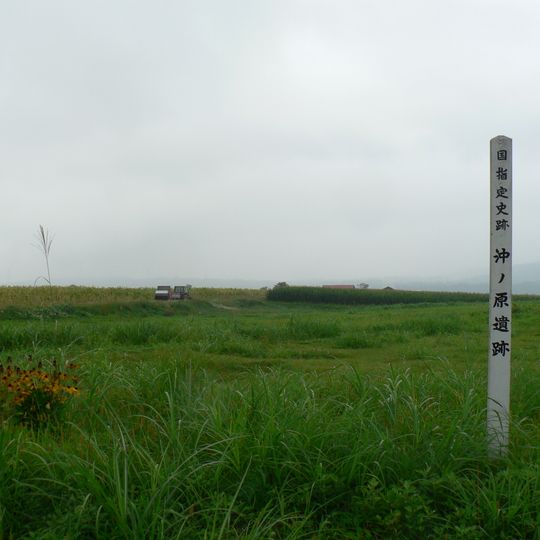
The Okinohara Site sits on a river terrace of the Shinano River and holds the remains of 49 circular pit dwellings arranged around a central plaza space. This settlement reveals an organized community layout with distinct residential areas set apart from the communal gathering ground.
The site was inhabited during the middle Jomon period roughly 5000 to 4000 years ago and was excavated during the 1970s. These discoveries proved important for understanding settlement patterns of that era and led to its designation as a National Historic Site in 1978.
The site contains pottery with distinctive flame patterns made during the middle Jomon period, reflecting the artistic traditions of the people who lived here. These ceramics and tools reveal much about the daily crafts and creative skills of this ancient community.
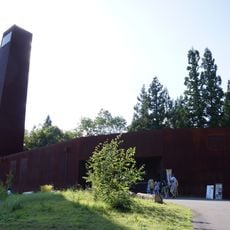
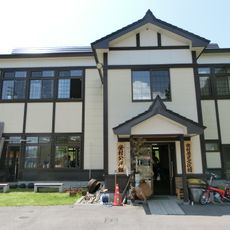
The location is about 15 minutes by car from Tsunan Station, which connects the area by train. The excavated artifacts and detailed information about the site can be viewed at the Tsunan Town History and Folklore Museum.
The site contained large rectangular structures built from chestnut wood, suggesting the inhabitants may have cultivated nut trees. This hint of early plant management sets this community apart from purely nomadic hunter-gatherer societies.
The community of curious travelers
AroundUs brings together thousands of curated places, local tips, and hidden gems, enriched daily by 92,424 contributors worldwide.