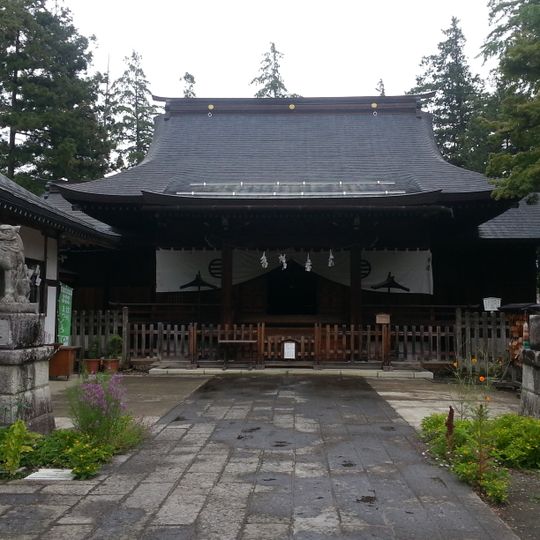
Zōzan Shrine, Shinto shrine in Nagano, Japan.
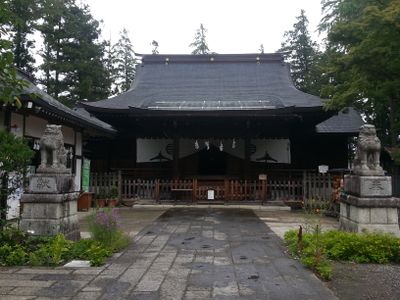
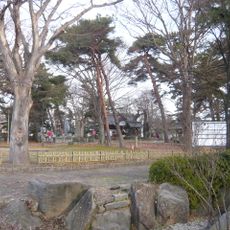
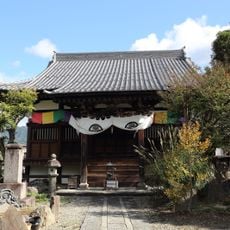
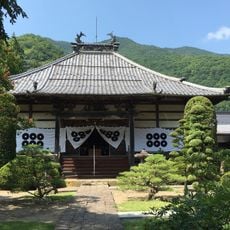
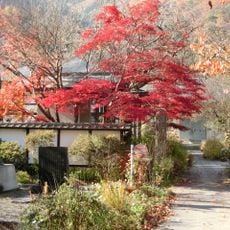
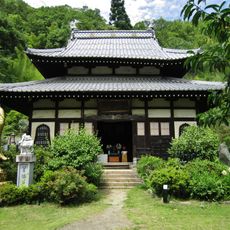
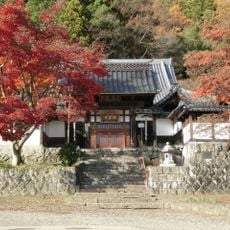
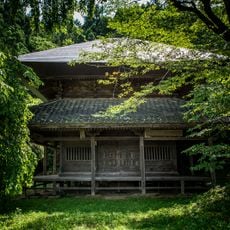
Zōzan Shrine is a Shinto shrine in Nagano featuring a main hall built with Japanese cypress wood in the traditional Nagare-zukuri architectural style, which uses curved, sloping rooflines characteristic of this design. The grounds contain several structures and spaces arranged around the central hall, creating a complete religious and historical compound.
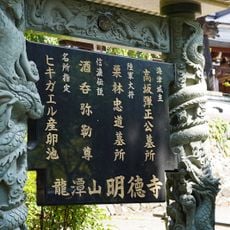
The shrine was founded in 1938 to honor Zōzan Sakuma, a scholar and government official from the Edo period who shaped scientific and political thought in Japan. Its establishment reflected recognition of his contributions to Japan's modernization during a pivotal period in the nation's history.
Locals use the shrine grounds for personal prayer and reflection throughout the year, maintaining a connection to the figure commemorated here through quiet daily visits. The site serves as a focal point for community gatherings during seasonal festivals, where people come together to mark important moments in the calendar.
The shrine is accessible by public transport from central Nagano, with free parking available at the location, making it convenient for visitors arriving by car. The grounds are laid out on level terrain with clear pathways connecting the main buildings, allowing for a comfortable walk through the entire compound without difficulty.
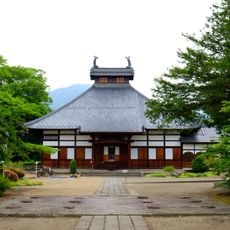
The grounds preserve Kogitei, a space where Zōzan Sakuma engaged in intellectual exchanges with contemporary thinkers and debated Japan's future direction. Also located on the site is En-utei, a tea ceremony room originally from Kyoto that was relocated here, bringing with it centuries of tea practice tradition.
The community of curious travelers
AroundUs brings together thousands of curated places, local tips, and hidden gems, enriched daily by 90,907 contributors worldwide.