貝の花貝塚, Archaeological midden in Kisarazu, Japan.
Kainohana Shell Mound is an archaeological site in Kisarazu containing remains from the Jomon period. The location holds thick layers of shell deposits, animal bones, and pottery fragments that accumulated over thousands of years.
This site dates to the Jomon period, thousands of years ago when Japan was inhabited by hunter-gatherers. The layers were deposited over many generations as people lived here and left their waste behind.
The mound's name, Kainohana, means "shell flower." Middens from the Middle to Late Jomon are dominated by clams and ark shells, while the Final Jomon layers hold mostly brackish-water corbicula. Excavated animal bones include boar, deer, dolphin, whale, sea bass, and sea bream, showing both hunting and fishing.
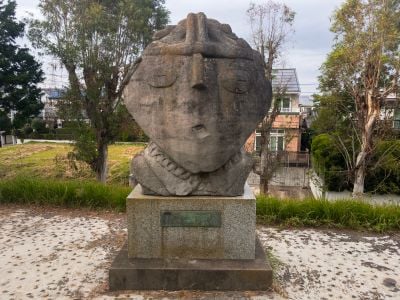
The site itself was destroyed by construction of the Koganehara housing complex, so there is nothing left to see on the ground in Matsudo. Excavated objects, including pottery and human remains, are kept and displayed at the Matsudo City Museum. The 1964 rescue excavation by the city board of education and Tokyo University of Education covered the whole mound at once.
The different shell layers allow researchers to track environmental changes over long periods of time. Each layer is like a time window showing how climate and living conditions shifted thousands of years ago.
The community of curious travelers
AroundUs brings together thousands of curated places, local tips, and hidden gems, enriched daily by 93,758 contributors worldwide.