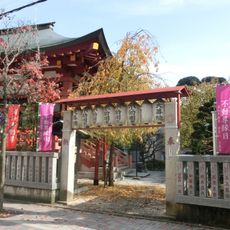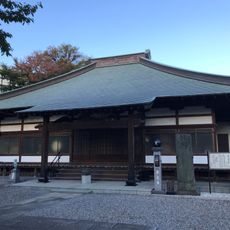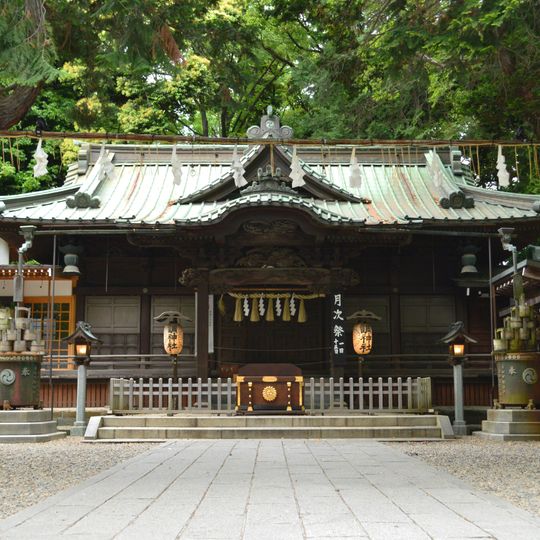
Tsuki Shrine, Shinto shrine in Kishichō, Japan
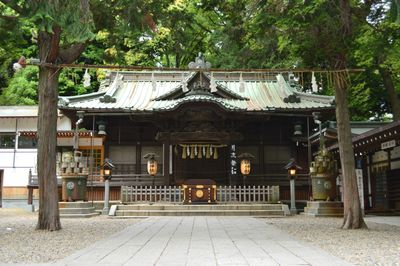
Tsuki Shrine is a Shinto sanctuary in Kishichō built in the Ishi-no-ma-zukuri style, which features a stone worship hall with an intermediate chamber. The complex has several auxiliary buildings and a main structure that was used to receive offerings, differing from other temples in the Saitama region by the absence of torii gates.
The temple was founded around 771 and originally served as a sacred storehouse where offerings for deities were kept before being presented to the mountains. The function of the place changed over the centuries from a tribute warehouse to a house of prayer for the local community.
The name of the sanctuary comes from the Japanese word for moon, which developed because East Asian traditions recognize a rabbit in the markings of the moon. Stone figures of rabbits stand at the entrance, where otherwise lion-dogs guard shrines, underlining this connection to the night sky.
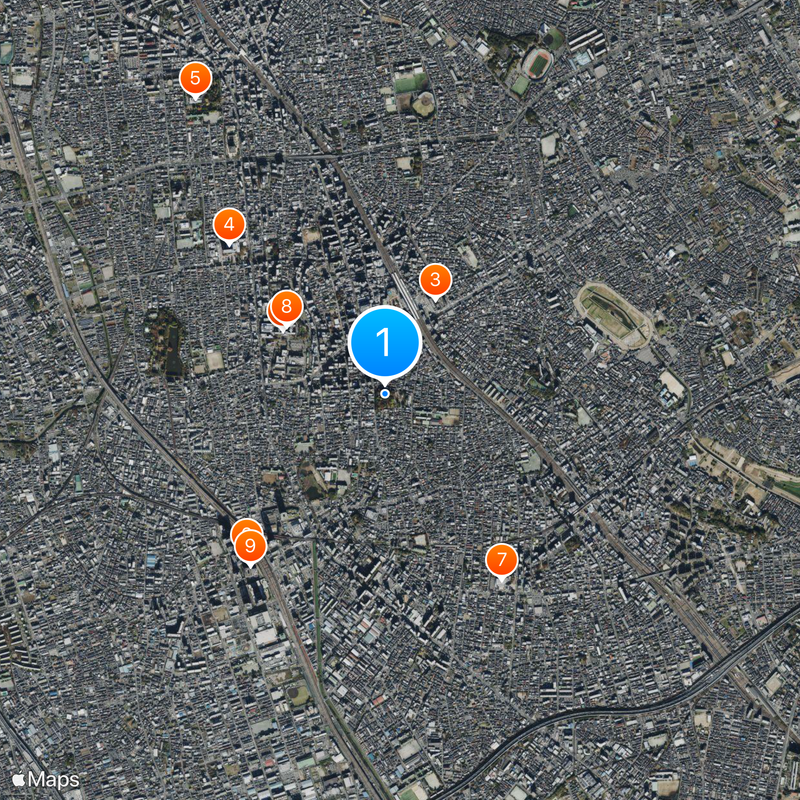
A ten-minute walk from Urawa Station leads through the neighborhood to this sanctuary, which sits in a residential area and is surrounded by other historical sites in Kishichō. The entrance is accessible from street level, and the courtyard opens to a quiet space away from the main roads.
The absence of torii gates distinguishes this shrine from almost all other Shinto sites in Japan, a feature linked to its original function as a warehouse for offerings. Carts could drive directly to the main building to unload large quantities of rice and other goods without being hindered by ceremonial gates.
The community of curious travelers
AroundUs brings together thousands of curated places, local tips, and hidden gems, enriched daily by 90,836 contributors worldwide.