Chōryū-ji, Buddhist temple in Gujō, Japan
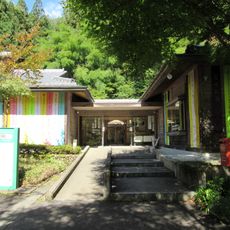
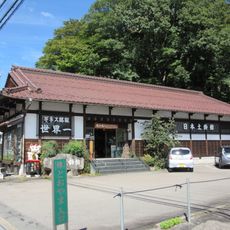
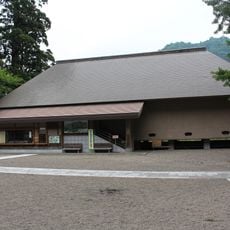
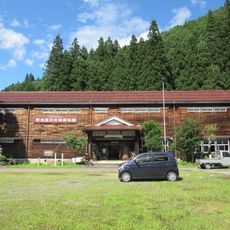
Chōryū-ji is a Tendai Buddhist temple in Gujō, Gifu Prefecture, sharing a single approach with Nagataki Hakusan Shrine: the temple stands on the left of the path, the shrine on the right. Its main image is a trio of Shakyamuni statues. The present halls are Shōwa-era reconstructions after an 1899 fire.
Founded by Taichō in 718 under imperial order as a Hossō school temple, Chōryū-ji was converted to the Tendai school in 828. At its height in the Kamakura period it controlled six valleys, six cloisters, over thirty shrines and 360 sub-temples. In 1868 the Meiji separation of Shinto and Buddhism split it from Nagataki Hakusan Shrine; a fire in 1899 destroyed the halls, and the present buildings date from the Shōwa era.
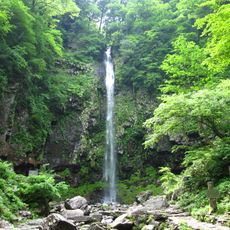
The name Chōryū-ji comes from the Amida-ga-taki waterfall that Taichō found after a goddess told him in a dream of a sacred spring. Until the Meiji separation of 1868 the temple was Hakusan Chūgū Nagataki-dera, and its precinct was shared with Nagataki Hakusan Shrine; the approach path still divides them, temple left, shrine right. The shrine's Rokujitsu festival flower hats are made at the sub-temple Amnyō-in.
Chōryū-ji shares a single approach with Nagataki Hakusan Shrine: from the path, the temple is on the left and the shrine on the right. The precinct is in Nagataki, Shirotori-chō, Gujō, a short walk from Nagataki Station on the Nagaragawa Railway. The main hall is a Shōwa-era reconstruction, so visitors should not expect the vast Edo-period Daikōdō.
The temple name comes from Amida-ga-taki, the waterfall Taichō found after a goddess told him in a dream of a sacred spring. The temple keeps a Song-dynasty printed Buddhist canon of 3,754 fascicles, a National Treasure, now held at the Hakusan Ryūhōden museum.
The community of curious travelers
AroundUs brings together thousands of curated places, local tips, and hidden gems, enriched daily by 93,850 contributors worldwide.