Konnō Hachiman-gū, Hachiman shrine in Shibuya, Tokyo, Japan
Konnō Hachiman-gū is a Hachiman shrine at 3-5-12 Shibuya, on the south side of Roppongi-dōri. Its main hall and worship hall were built in 1612 and are designated tangible cultural properties by Shibuya Ward; the shrine grounds also hold a kagura hall, the Konnōmaru shadow hall, and the large torii gate. The shrine's former rank was a gōsha, a district shrine.
According to shrine tradition, Taira no Taketsuna founded it in 1092 after fighting in the Former and Later Nine Years Wars. His descendant Shibuya Shigeie, granted the Shibuya surname by Emperor Horikawa, built Shibuya Castle on the site. In the Edo period, Kasuga no Tsubone and Aoyama Tadatoshi built the shrine gate and main hall; the main hall and worship hall date from 1612.
The shrine's name comes from Kinnōmaru, the son of Shibuya Shigeie, said to have been born as an incarnation of Kongō-yasha Myōō after his father prayed here. Until the late Edo period, the Tendai temple Tōfukuji next door served as its betto, and the grounds still hold subordinate shrines such as Tamatsukuri Inari and Mitake-sha.
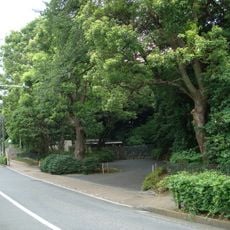
The shrine stands at 3-5-12 Shibuya, on the south side of Roppongi-dori, about five minutes on foot from Shibuya Station's East, South or New South exits. The main hall and gate, built in 1612, face the approach beneath the large torii.
The Konnō cherry tree on the grounds is listed as one of Edo's three famous trees of the suburbs and appears in the Edo Meisho Zue, a late-Edo guide to famous places; tradition links it to Minamoto no Yoritomo. Shibuya Ward designated it a natural monument on 18 February 1982.
The community of curious travelers
AroundUs brings together thousands of curated places, local tips, and hidden gems, enriched daily by 94,229 contributors worldwide.