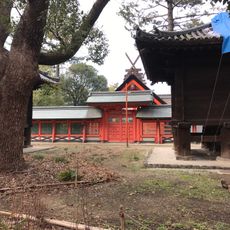
Amamikoso-jinja, Shinto shrine in Japan
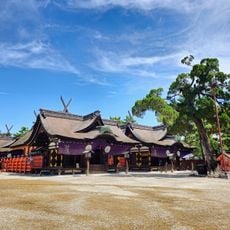
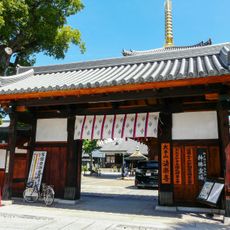
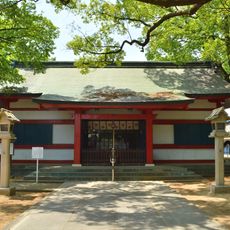
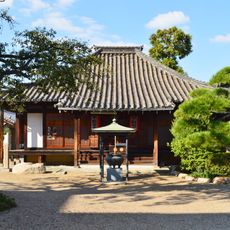
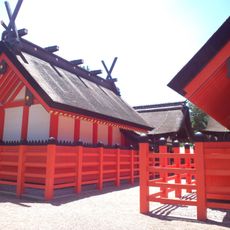
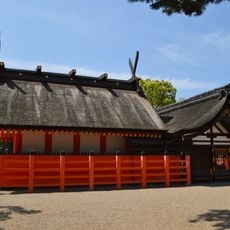
Amamikoso-jinja is a Shinto shrine in Yata, Higashisumiyoshi-ku, entered through a former temple gate that stands on the approach. Its worship hall dates from 1863, while the main sanctuary was rebuilt in 1960 in a style called Amami-zukuri. The grounds hold a camphor tree over 500 years old and a statue of a sacred horse.
Listed in the Engishiki shrine register of Kawachi Province, the shrine's own tradition dates its founding to the Daidō era (around 806), though it is thought to be older. Its name may derive from a Silla word, pointing to settlers from the Korean peninsula. In 1704 the Yamato River rerouting split the shrine, on the south bank, from its parish village of Kareki on the north bank. A shrine-temple with the mountain name Tenmizan stood on the grounds until abolished in the early Meiji persecution of Buddhism.
Locals use Amamikoso-jinja to seek blessings for health and safety, and to honor traditional practices that have shaped community life for generations. The simple offerings left by visitors and the respectful behavior inside show how much the shrine matters to people's daily spiritual lives.
Visitors should wear comfortable shoes and respect local customs such as washing hands at the purification fountain before entering the main building. Admission is free and the shrine is open throughout the day, with fewer visitors in early morning or evening hours.
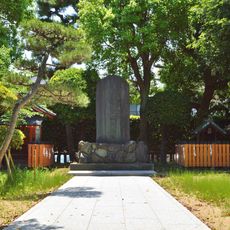
The stone marker east of the purification fountain reads "Gyōki Bosatsu Anju no Chi" (the place where the bodhisattva Gyōki resided), a claim found only from the Edo period and absent from the Gyōki Nenpu, so it cannot be verified. The temple gate of the former Jingū-ji, a shrine-temple until the early Meiji years, still stands on the approach.
The community of curious travelers
AroundUs brings together thousands of curated places, local tips, and hidden gems, enriched daily by 94,658 contributors worldwide.