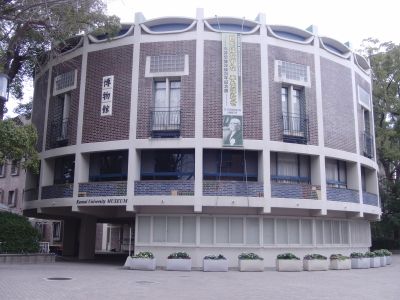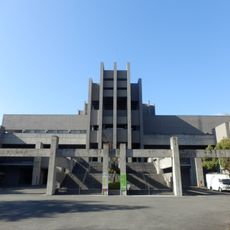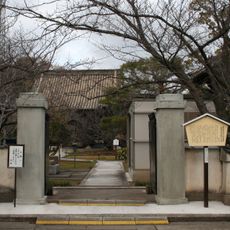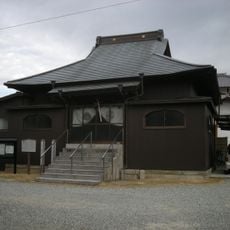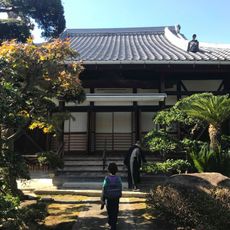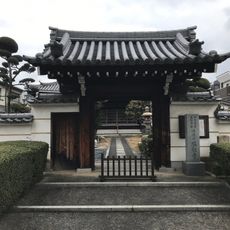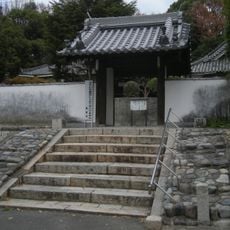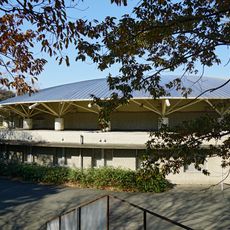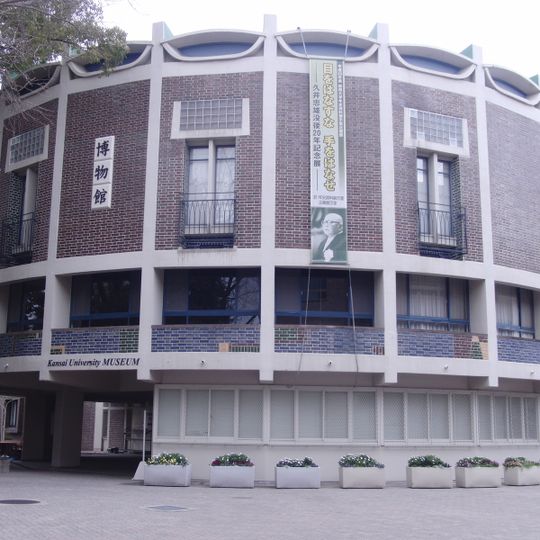
Kansai University Museum, University museum in Suita, Japan.
The Kansai University Museum is a university museum in Suita that displays archaeological discoveries, folk art objects, and artworks across multiple exhibition rooms. The collection includes terracotta figures, stone objects, and other artifacts that document different periods of the region's history.
The museum grew from an archaeology research center established in 1952 and was later expanded into a separate museum facility. Its official opening as a museum in 1994 marked the beginning of its role as a cultural institution for the wider public.
The collection began with Kanda Takahira's holdings, continued by Mainichi Shimbun president Motoyama Hikoichi, and was donated by his family to the university. It includes 18,945 archaeological items registered as a national Tangible Cultural Property in 2011, among them a stone pillow from Tenri and a dogū from the Kamegaoka site. Each spring a special exhibition is held, and each autumn students of the museum practice course mount their own display.
The museum is about 10 minutes on foot from Kandaimae Station and is easily accessible by public transportation. The exhibition is free to visit and regular opening hours allow for a visit in the morning or afternoon at your own pace.
The museum holds stone objects that come from distant locations and show how cultural exchange took place in ancient times. These rare finds illustrate the historical connections between different regions of Japan.
The community of curious travelers
AroundUs brings together thousands of curated places, local tips, and hidden gems, enriched daily by 93,664 contributors worldwide.