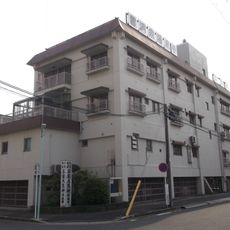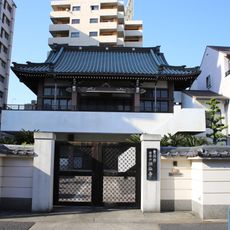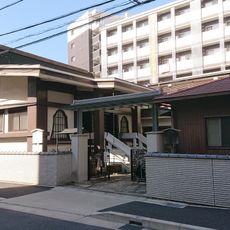
Kuragarinomori Hachimansha, Shinto shrine in Japan
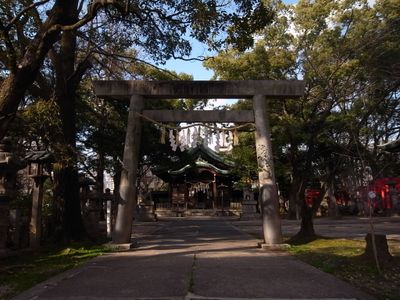
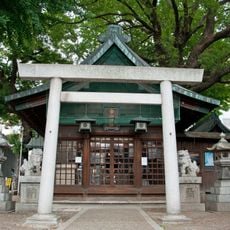
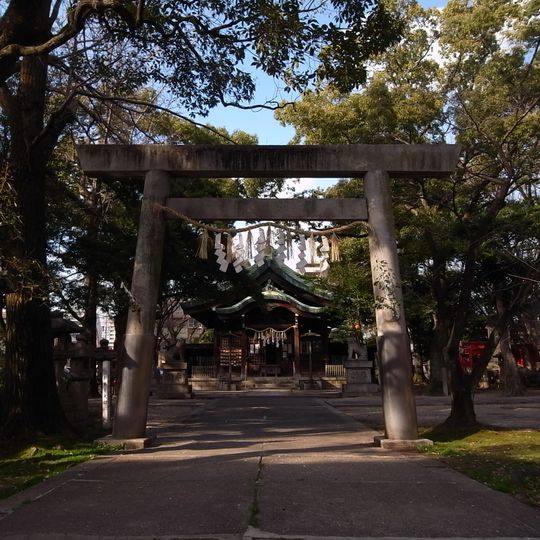
Kuragarinomori Hachimansha is a small Shinto shrine in Naka-ku, Nagoya, featuring traditional wooden structures and a simple, humble design that reflects a long history. The shrine has a quiet courtyard often shaded by trees, providing a space where history and daily life meet.
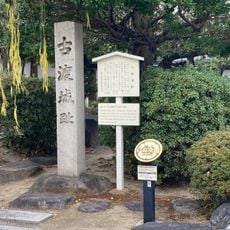
The shrine was founded in the early 700s during the reign of Emperor Monmu and is over a thousand years old. It was repaired multiple times and rebuilt in 1957 after bombing during World War II, demonstrating its significance to local residents.
The shrine's name refers to the Kuragarinomori area and its connection to the kami spirits of the Shinto tradition. Visitors observe everyday rituals here such as lighting incense, leaving coins as offerings, and tying wish papers to the trees.
The shrine sits in a quiet residential area and is easily accessible on foot, with enough space to explore and reflect. Visitors should take time to notice details such as lanterns, wooden carvings, and the peaceful surroundings.
The shrine houses a large festival float called Fukurokuju-sha, representing one of the seven gods of good luck and recognized as a cultural property. This float is carried through the streets every May during a major festival, displaying deep craftsmanship and respect for tradition.
The community of curious travelers
AroundUs brings together thousands of curated places, local tips, and hidden gems, enriched daily by 91,687 contributors worldwide.