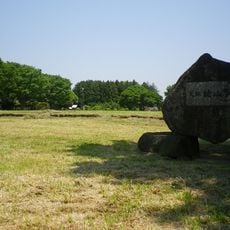
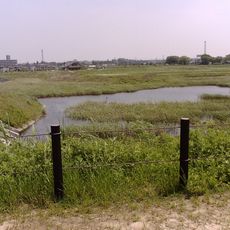
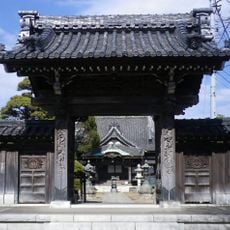
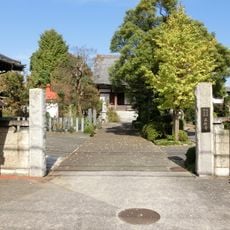
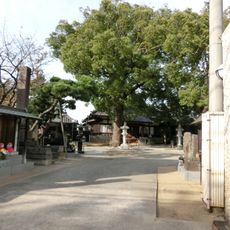
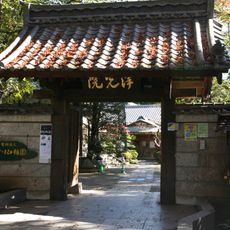
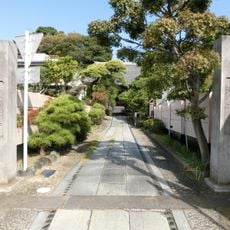
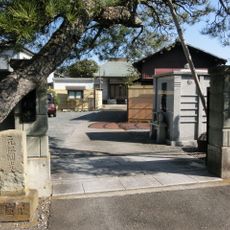
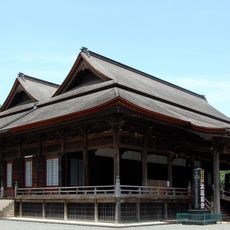
Tobinodai Shell Mound, Archaeological midden in Kaijin, Japan.
Tobinodai is an archaeological site in Kaijin containing remains of Jomon period settlements. Excavations have revealed multiple dwellings, fire pits, and shell deposits that show how early inhabitants organized their living spaces and food sources.
The site was discovered in 1932 and marked a breakthrough in Japanese archaeology with the first identification of a prehistoric fire pit. This discovery helped researchers understand the settlement patterns and survival methods of these early communities.
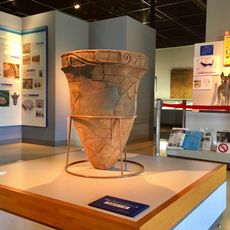
The exhibits display pottery, figurines, and bone remains that illustrate daily life during the Jomon period. These artifacts help visitors understand what mattered to the people who lived here and how they spent their time.
Plan time to explore both the museum and excavation grounds thoroughly, as they offer complementary views of the site. Clear signage throughout the area helps visitors navigate between different archaeological zones and understand what they are seeing.
Two human skeletons were found beneath the shell deposits positioned as if embracing each other. The identities of these individuals and the circumstances surrounding their deaths remain a mystery to researchers.
The community of curious travelers
AroundUs brings together thousands of curated places, local tips, and hidden gems, enriched daily by 91,408 contributors worldwide.