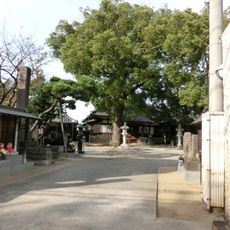
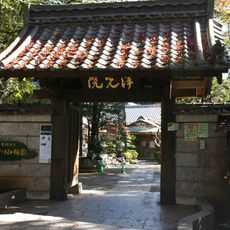
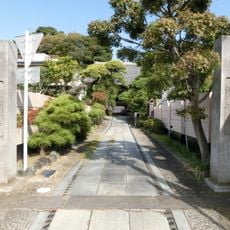
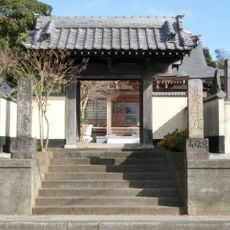
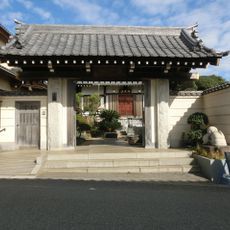
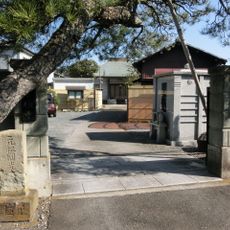
Funabashi Daijingū Tōmyōdai, lighthouse in Miyamoto, Funabashi, Japan
Funabashi Daijingū Tōmyōdai is a traditional lighthouse in Miyamoto, Japan, that combines different architectural styles across its three levels. The building features Japanese-style interiors on the lower floors and incorporates Western design elements in its upper sections.
A bell rung at night to guide ships along the coast stood in the shrine grounds until it burned in the Boshin War of 1868. Local donors funded a proper lighthouse, completed in 1880 on a 27 m hill where the Sengen Shrine had stood, hence its name Sengen Tōmyōdai. It served as a government-approved private light until 1895.
The lighthouse stands on a small hill about 27 m high within the grounds of Funabashi Daijingū, where a Sensō shrine once stood, which is why it was called the Sensō Tōmyōdai. Its name links it to the shrine that has long served the local community.
The structure sits within a larger shrine complex, so approach it as part of visiting the full sanctuary. Access to the lighthouse itself may be limited, but the surrounding shrine grounds are open and inviting for general exploration.
The lighthouse was funded and built by the community itself rather than by an official government body, making it a rare example of local initiative in infrastructure. This unusual origin reflects how vital maritime safety was to the area and the residents' determination to restore what was lost.
The community of curious travelers
AroundUs brings together thousands of curated places, local tips, and hidden gems, enriched daily by 93,850 contributors worldwide.