Iizumi-jinja, Shinto shrine in Japan
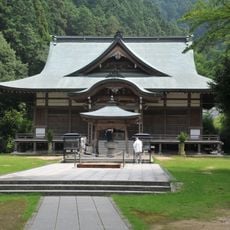
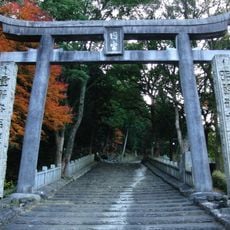
Iizumi-jinja is a Shinto shrine in Shimojimayama, Saijō, whose main deity is Ukanomitama-no-mikoto, also called Iizumi Daimyōjin. Its honden was completed in 1857 in the three-bay nagare-zukuri style with cypress-bark roofing and a five-three paulownia crest on the ridge. The worship hall was rebuilt in 2001, and the stone steps are lined with fences completed in 2005.
The shrine traces its origin to Tōkiwake-gimi, grandson of Takekunikoriwake-no-mikoto of Isono Shrine, who enshrined Ukanomitama and honored the local earth deity Kunitama-ehime. According to shrine records, Emperor Chūai and Empress Jingū stopped at the site and performed a pacification rite with a scepter cut from an oak. Long called Ichii-tsu Shrine, it was a village shrine of Shimayama district; the buildings burned in 1585 during Kobayakawa Takakage's Shikoku campaign and again in the Ansei era. In 1872 it was designated a district shrine under the modern ranking system.
The shrine's name comes from the oak trees once abundant on Itsuoka hill, and it was long called Ichii-tsu Shrine. Its October festival features eleven drum floats, and the rite of yosegaki, in which the floats line up and are raised together, began here before spreading to neighbouring areas.
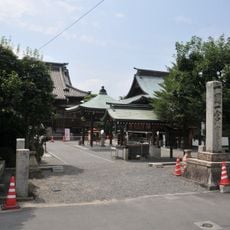
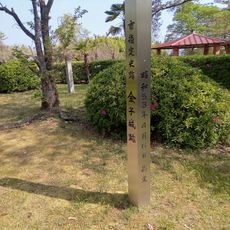
The shrine stands in Shimojimayama, Saijo, and is reached by a stone stairway whose flanking fences were completed in 2005 on older foundations. The worship hall was rebuilt in 2001, while the main hall dates from 1857. A song monument to Naga no Imiki Okimaro stands on the south side of the grounds.
The shrine is credited as the birthplace of the taiko-dai "yosegaki" ritual, in which eleven festival floats line up side by side, press tightly together and are lifted in unison. It began at this shrine's autumn festival and later spread from the Ōin area to upper Niihama and other places.
The community of curious travelers
AroundUs brings together thousands of curated places, local tips, and hidden gems, enriched daily by 94,282 contributors worldwide.