鼻川神社, Shinto shrine in Japan
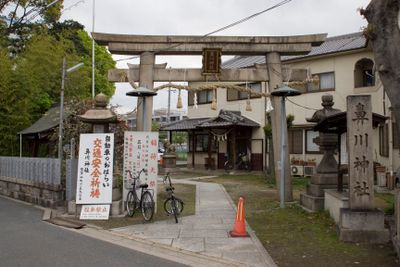
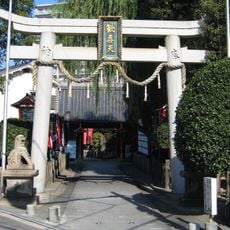
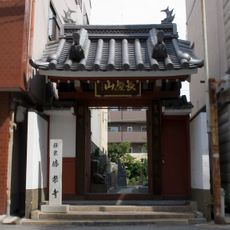
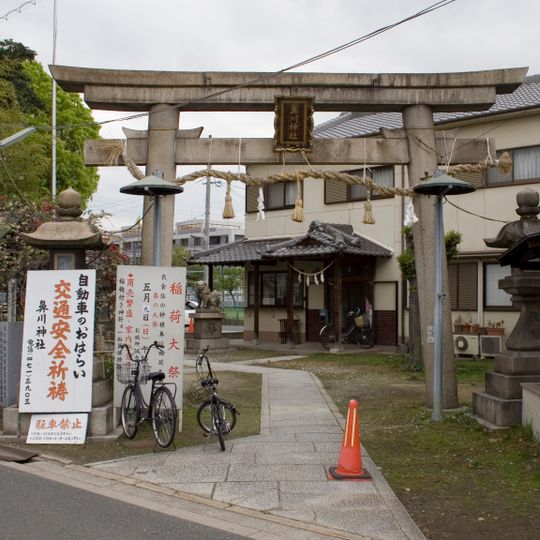
Hanakawa-jinja is a small Shinto shrine in Osaka's Nishiyodogawa ward located in an area long connected to this sacred site. The grounds feature a traditional wooden main hall, a smaller Inari shrine dedicated to the harvest deity, and are surrounded by trees that create a quiet atmosphere where visitors walk simple paths.
According to legend, Empress Jingu visited this place while returning from Korea and gave the area its name, Hanakawa, meaning flower river, linking the site to Japan's ancient past. The shrine experienced major changes including flood damage in 1897, a merger with a neighboring shrine in 1910, restoration as an independent sanctuary in 1924, and a rebuilding of its main hall in 1934.
The shrine is named after Empress Jingu, a legendary figure from Japan's ancient past whose visit to this area supposedly gave the place its name, Hanakawa. The layout of the main structure and the smaller Inari shrine dedicated to the harvest deity shows how agricultural traditions and local customs remain woven into the site and are actively maintained by residents.
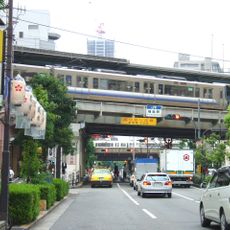
The shrine is easily accessible on foot from Himeshima Station on the Hanshin Line and sits close to Tsukamoto Station, making it reachable by public transport. The paths are straightforward to navigate, and visitors can walk at their own pace through the quiet surroundings to experience the natural environment and traditional architecture.
A rare and unexpected practice at the shrine is what is known as the Silent Ceremony, where visitors engage in quiet prayer without speaking, focusing instead on their feelings and thoughts. This tradition has been passed down for many generations and gives the place a unique peaceful quality that sets it apart from other shrines.
The community of curious travelers
AroundUs brings together thousands of curated places, local tips, and hidden gems, enriched daily by 91,637 contributors worldwide.