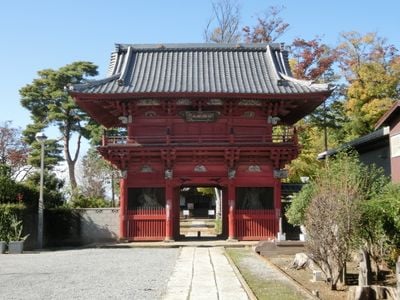
Ryūzō-ji Temple, Buddhist temple in Kazo, Japan.
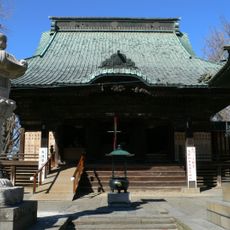
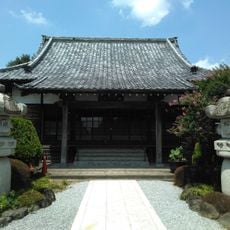
Ryūzō-ji is a Jōdo-shū temple in Kazo whose main hall, completed in 1835 after nine years of construction, measures five bays by five and is the largest wooden building in the city. It is roofed in tiles in the irimoya (hip-and-gable) style, and its design and construction are attributed to Mimura Masatoshi of Kawamata.
The temple was founded in 1355 and became an important religious center during the Edo period when the Tokugawa government provided support through land grants. These early connections helped the temple grow in prominence and prosperity over the following centuries.
The main image is a wooden standing Amida Buddha, 100 cm tall and made of joined wood blocks. An ink inscription inside its chest records a date of 1293 and names the sculptor's workshop at Jion-ji in Musashi Province, making the statue older than the temple itself. It was designated a National Important Art Object in 1937 and a Saitama Prefecture Cultural Property in 1964.
The temple sits about a 12-minute walk from Kazo Station, making it easy to reach by train or foot. Several parking areas are available nearby if you prefer to arrive by car.
The temple's large ginkgo is a female tree about 670 years old, with a trunk circumference of 4.3 m and a height of about 20 m. It is designated a Natural Monument of Kazo City, and the ginkgo is the city's official tree. According to tradition, Kyojo Shonin planted it where the white dragon he subdued had its head.
The community of curious travelers
AroundUs brings together thousands of curated places, local tips, and hidden gems, enriched daily by 94,675 contributors worldwide.