Santonodai Site, Archaeological site in Okamura, Isogo-ku, Yokohama, Japan
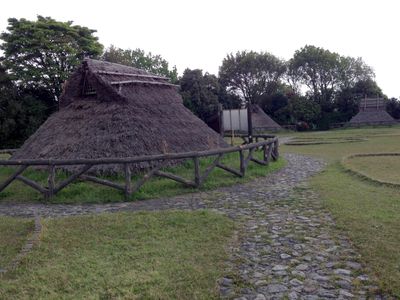
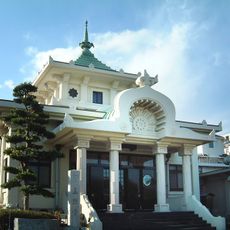
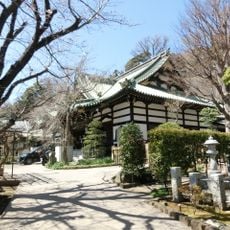
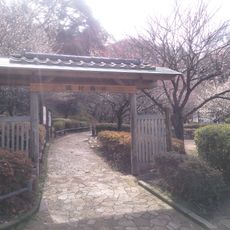
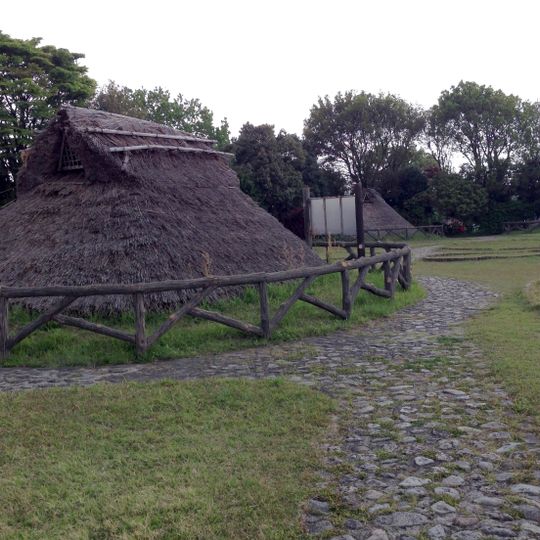
The Santonodai Site is an archaeological park in Okamura, Isogo-ku, Yokohama, on a 55-meter plateau. It covers about 10,000 square meters, with foundation holes marked by pillars and restored pit dwellings from the Jōmon, Yayoi and Kofun periods. The on-site Santonodai Archaeological Museum displays excavated artifacts.
Archaeological excavations in the early 1960s uncovered hundreds of pit dwellings from three cultural periods. These findings show how people's daily life evolved over thousands of years.
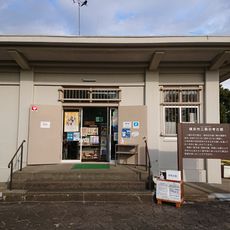
The site is named after the Santonodai plateau in Okamura, where the settlement stood. The Santonodai Archaeological Museum opened in 1967 and displays pottery and other finds from the excavations. The museum also runs hands-on activities through the year, including magatama bead making, archery and pottery making. A photo taken inside the site appears in the booklet of Yuzu's 2003 album Sumire.
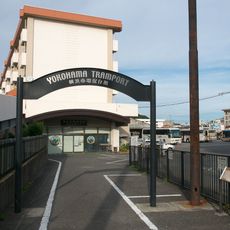
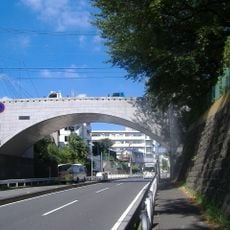
The site is a 20-minute walk from Maita Station on the Yokohama Municipal Subway Blue Line. Bus 219 from Gumyōji Station stops at Santonodai Kōen, three minutes from the site, but runs only about twice an hour. The grounds are backfilled, with pillar markers showing building foundations.
The largest pit dwelling found here is an oval structure over 14 meters along its major axis, far bigger than the ordinary dwellings. Its size sets it apart from the roughly 200 Yayoi-period houses on the plateau.
The community of curious travelers
AroundUs brings together thousands of curated places, local tips, and hidden gems, enriched daily by 93,694 contributors worldwide.