Tajima Yahei Sericulture Farm, Historical silkworm farm in Sakai Shimamura, Japan
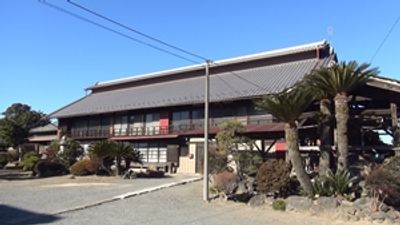
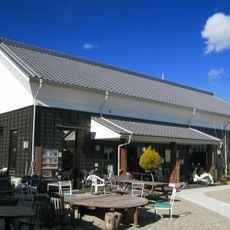
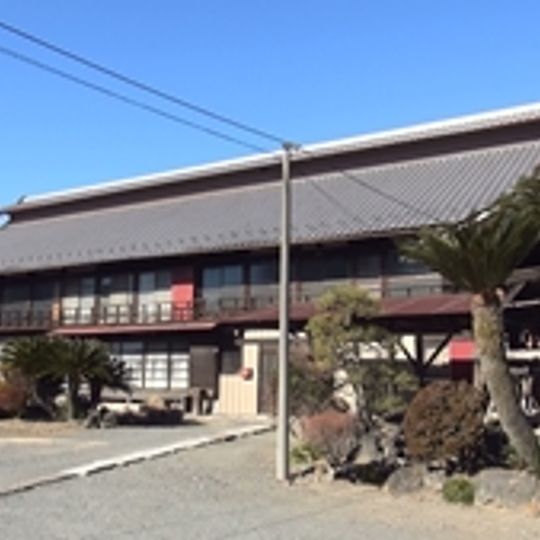
Tajima Yahei Sericulture Farm is a two-story farmhouse built in the minka style in the village of Sakai Shimamura, Japan, and listed as part of a UNESCO World Heritage Site. The roof is notably tall and fitted with movable panels that allow natural airflow, which is essential for raising silkworms on the upper floor.
The farmhouse dates to 1863 and belongs to a group of properties in the area that developed new methods for raising silkworms during the late Edo period. The ventilation techniques tested here were later adopted more widely across Japan as silk production grew during the Meiji era.
The layout of the house shows how living and working spaces were combined under one roof, so the family could raise silkworms without leaving home. This arrangement was common across the region and gives visitors a clear sense of how sericulture shaped daily life for generations.
The grounds and exterior of the property are open to visitors, and a nearby information center offers displays about silk production. Walking around the site on foot is the best way to take in the different buildings at your own pace.
A storage building from 1896, used to keep mulberry leaves before they were fed to the silkworms, still stands on the property. It is one of the few surviving examples of this type of outbuilding and gives visitors a direct connection to the everyday work behind silk production.
The community of curious travelers
AroundUs brings together thousands of curated places, local tips, and hidden gems, enriched daily by 60,000 contributors worldwide.