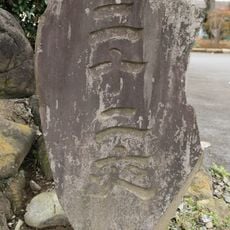
Mantoku-ji, Former Buddhist temple in Ota, Japan.
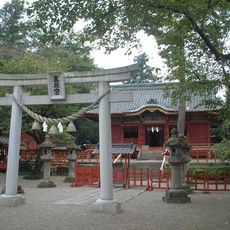
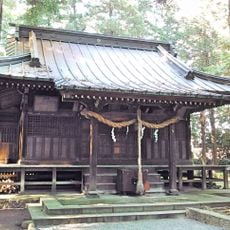
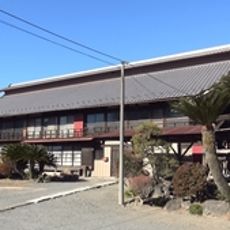
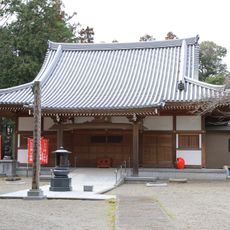
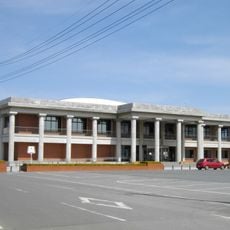
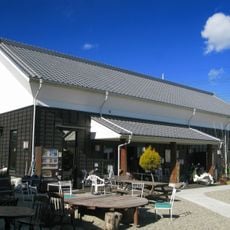
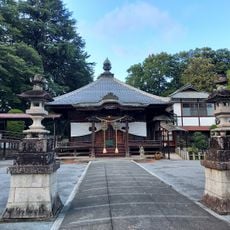
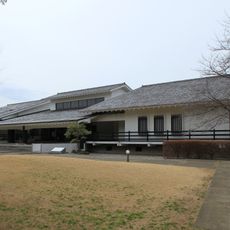
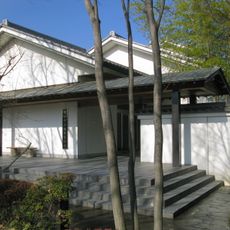
Mantoku-ji is a former Jishū Buddhist nunnery in Tokugawa-chō, Ōta, Gunma Prefecture. Its main hall and gate were rebuilt in 1994 as a replica of the original main hall, which burned in 1809 and was later moved in 1913. The site is now the Enkiridera Mantokuji Ruins Park, with the Ōta City Enkiridera Mantokuji Museum on its western side.
The temple was founded to assist women with divorce proceedings during the Edo period and continued this service through the Meiji era. This function made it an important place for women seeking legal means to end their marriages.
The name enkiri-dera refers to the temple's Edo-period role as a divorce temple, paired with Kamakura's Tōkei-ji. The grounds are now the Enkiridera Mantokuji Ruins Park, with the main hall and gate rebuilt in 1994; the adjacent Ōta City Mantokuji Museum, opened in 1992, keeps the temple documents. The temple's own origin account credits Jōnen, daughter of Nitta Yoshisue, as founding abbess.
The site is the Enkiridera Mantokuji Ruins Park at 382-2 Tokugawa-cho, Ota, with the Ota City Enkiridera Mantokuji Museum beside it on the west side of the grounds. The 1994 reconstruction of the main hall and gate stands on the excavated plot. The temple documents are held as a Gunma Prefecture Important Cultural Property, and the ruins were designated a prefectural historic site on 20 June 1956.
The temple's documents, now a Gunma Prefectural Important Cultural Property, passed not to a temple but to Kawagoe Tetsugorō, son of a temple official adopted by the last abbess Asai Chihon, and remain with his descendants. The main hall was moved in 1913 and used as a community meeting hall before the 1994 reconstruction.
The community of curious travelers
AroundUs brings together thousands of curated places, local tips, and hidden gems, enriched daily by 93,338 contributors worldwide.