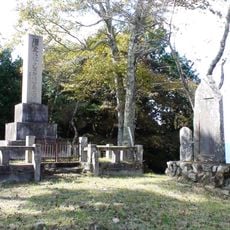
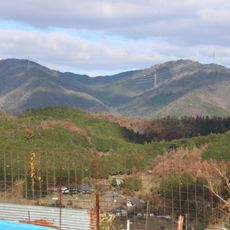
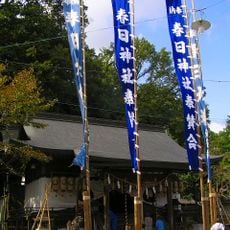
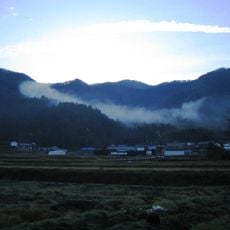
Kumobe Kurumazuka Kofun, Ancient burial mound in Tambasasayama, Japan.
Kumobe Kurumazuka Kofun is a keyhole-shaped burial mound in Tambasasayama, Japan, made up of a rectangular front section and a circular rear section. Concentric moats ring the entire structure, setting it apart from the surrounding terrain.
The mound was built in the 5th century, a period when powerful leaders across Japan were commemorated with large earthworks of this shape. Over time, the practice faded, leaving these structures as the main physical trace of that era.
Haniwa, clay figures shaped like people, animals, or objects, were once placed around the mound as part of burial rites. Walking around the site today, visitors can imagine how the entire surface was once lined with these figures.
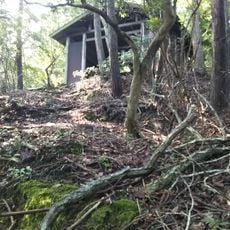
The full keyhole shape is best appreciated from an elevated point, since at ground level the form is hard to read. Wear sturdy shoes, as the ground around the mound and moats can be uneven.
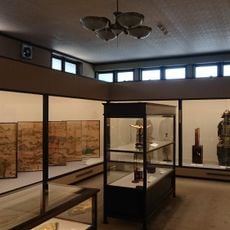
Objects found inside the mound show clear differences in social rank among those buried there, suggesting the community was more layered than once assumed. The arrangement of these objects helped researchers piece together how status was expressed in this part of ancient Japan.
The community of curious travelers
AroundUs brings together thousands of curated places, local tips, and hidden gems, enriched daily by 90,831 contributors worldwide.