雙栗神社, Shinto shrine in Japan
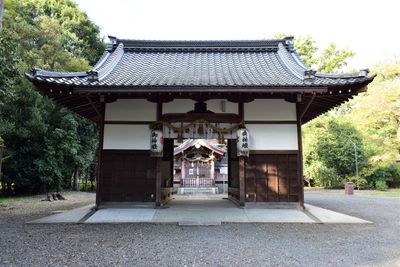
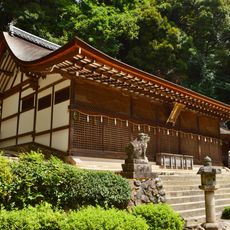
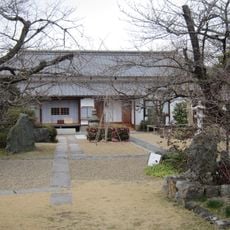
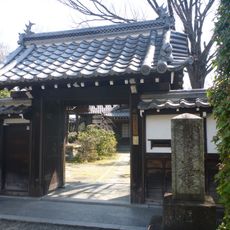
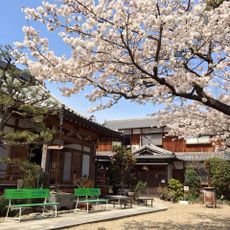
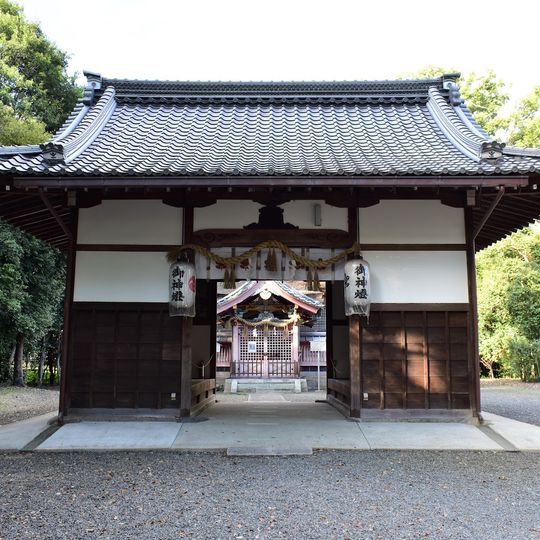
Saguri Shrine is a Shinto sanctuary in Kumiyama, Kyoto Prefecture, with a main hall built in the late 1400s featuring traditional Japanese architecture and carefully carved woodwork depicting birds, leaves, and animals. A giant camphor tree nearby stands about 30 meters tall with a very wide trunk, believed to be at least 400 years old and marked with a rope indicating its sacred status.
The shrine is recorded in documents dating to the year 859, demonstrating its deep connection to Japanese history during the Heian Period. During the Middle Ages, it became known as Atemoto Hachiman and worshipped a form of Hachiman, a popular god of war and protection.
The shrine honors several gods, including the Sun Goddess Amaterasu and the storm god Susanoo, who according to local traditions have watched over the area for generations. The community gathers for small festivals and rituals throughout the year, particularly in January, to pray for good harvests and long life while keeping customs alive.
The shrine is easy to reach by bus from Kyoto, getting off at the Kumiyama Danchi-guchi stop and walking about two minutes north. The site is well maintained, open to the public, and features clear paths that allow for quiet exploration of the grounds.
One of the most remarkable aspects is the annual ritual held in January where the community uses cooked rice, beans, and other grains to predict crop prospects for the coming year. By observing how the grains appear after cooking, people attempt to interpret what kind of year lies ahead for farming and food production.
The community of curious travelers
AroundUs brings together thousands of curated places, local tips, and hidden gems, enriched daily by 91,361 contributors worldwide.