Makishima Castle, Japanese castle ruins in Uji, Japan
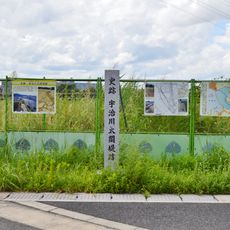
Makishima Castle was a fortress on a former island in Lake Ogura that controlled the Uji River during medieval times. Today two memorial stones mark where it once stood, and the surrounding park provides space for walking and reflection.
The fortress gained importance in 1573 when Shogun Ashikaga Yoshiaki sought refuge there during his revolt against Oda Nobunaga. This event marked the end of the Muromachi shogunate and led to the site's eventual decline.
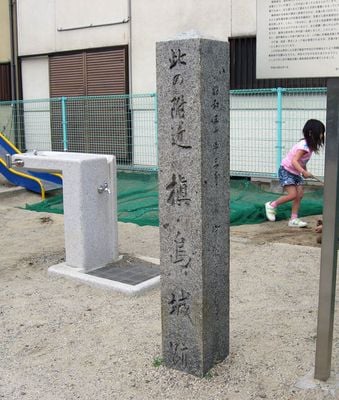
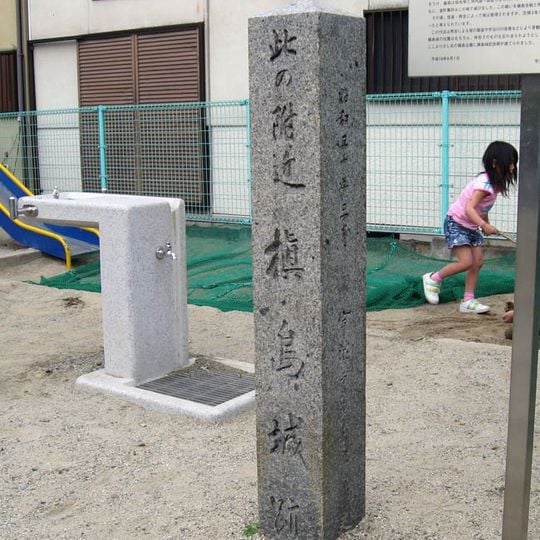
The name comes from the Makishima clan, a local stronghold family recorded under several spellings, including Makijima and Makishima. In 1573 the shogun Ashikaga Yoshiaki took refuge here with the clan member Makishima Akimitsu. The site is now a small park with a stone monument; the granite pillar and a low fountain stand on the sandy ground.
The site lies in Makishima-cho Ohatake, Uji, Kyoto Prefecture, with JR Uji Station as the nearest stop. From the station, walk to the stone monument marking the former castle grounds. The ground is flat and open, so the marker can be reached on foot without climbing.
The castle no longer exists; only a stone monument remains at the site in Makishima-cho Ōhata, Uji. The monument stands beside a low granite water fountain. The Makishima clan, who held this ground, appears under several spellings, including Majima and Makishima.
The community of curious travelers
AroundUs brings together thousands of curated places, local tips, and hidden gems, enriched daily by 94,126 contributors worldwide.