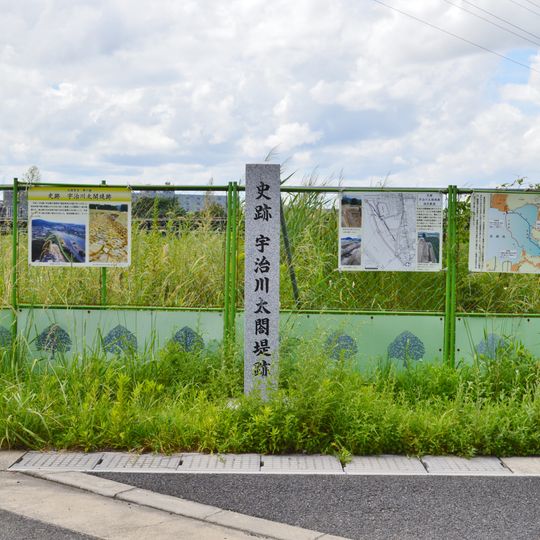
Uji River Taikō Embankment Site, Archaeological site near Uji River, Japan
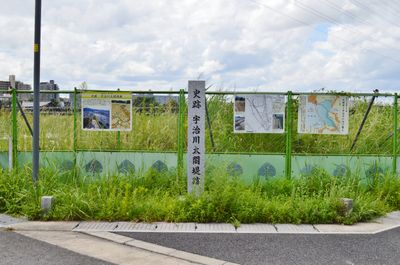
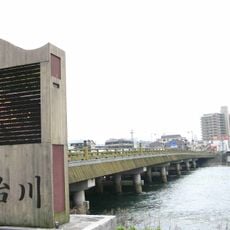
This archaeological site along the Uji River contains excavated riverbank structures that once stretched across the river valley. The remains show both stone walls and wooden stakes that demonstrate different engineering approaches to managing water flow.
The riverbank structures were built between 1594 and 1596 under Toyotomi Hideyoshi as part of major flood control efforts for the region. This project reflected his broader strategy to manage water and territory during a period of consolidation.
The site displays construction methods from the Momoyama period, with stones placed similarly to those used in castle building. Visitors can observe how craftspeople of that era reinforced riverbanks against water.
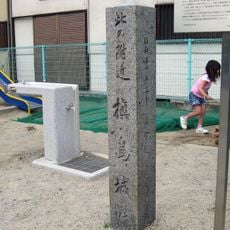
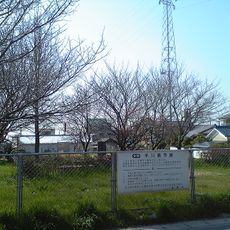
The site is divided into several exploration areas, each with clear informational signage explaining what you are seeing. Visitors should expect uneven ground and varied elevation since the site sits along the riverbank.
The excavations reveal two entirely different protection systems that existed side by side, representing contrasting approaches to managing the river. The stark difference between massive stone walls and slender wooden stakes shows how builders tested various techniques for the same challenge.
The community of curious travelers
AroundUs brings together thousands of curated places, local tips, and hidden gems, enriched daily by 91,793 contributors worldwide.