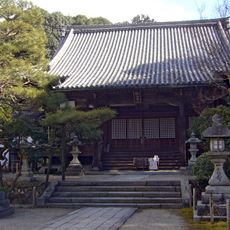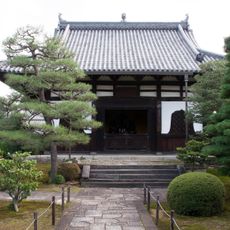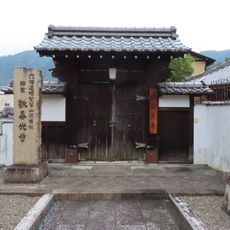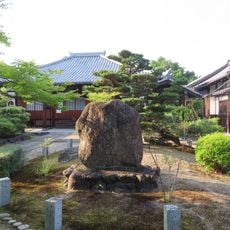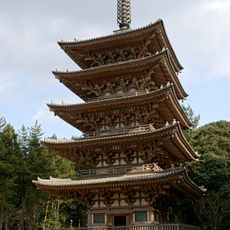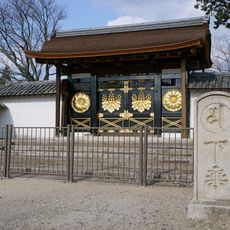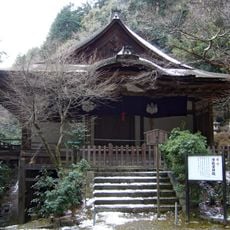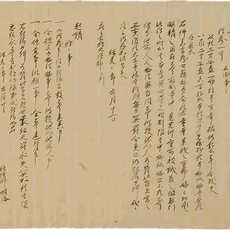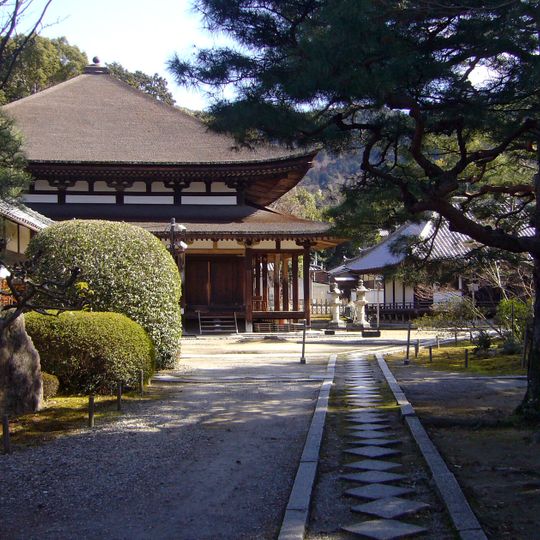
Hōkai-ji, Buddhist temple in Fushimi-ku, Kyoto, Japan
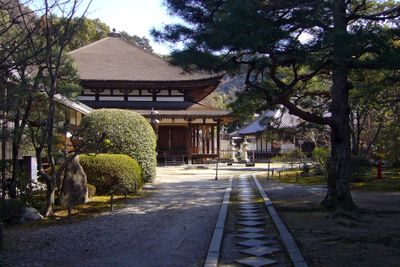
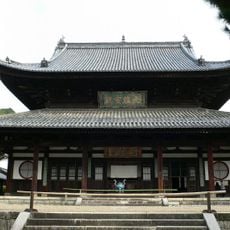
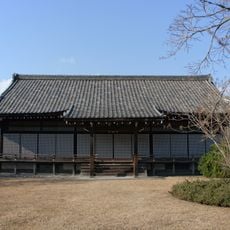
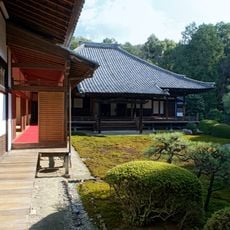
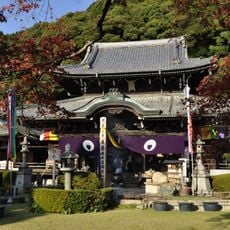
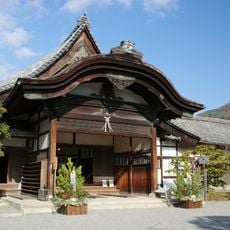
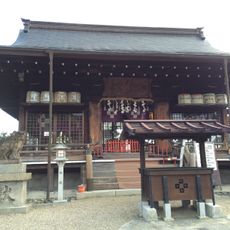
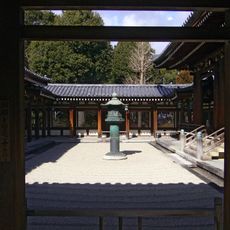
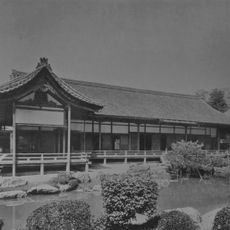
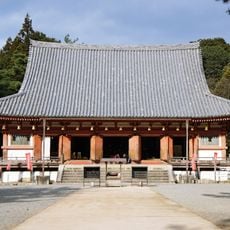
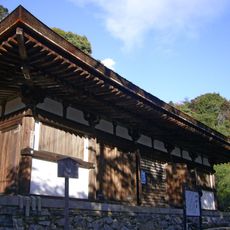
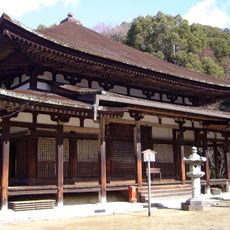
Hōkai-ji is a temple complex in Fushimi-ku containing multiple halls, including a Yakushi Hall and an Amidado Hall that houses ancient wall paintings. These paintings depict celestial beings and paradise scenes, forming an important part of the site's visual and spiritual composition.
The temple was established in 1051 when Hino Motoyoshi founded it and enshrined a Yakushi Nyorai statue that had been passed down through the Hino family for generations. This act of dedication set the foundation for centuries of spiritual practice that followed.
This temple holds special meaning for women seeking blessings related to motherhood and nursing, with the main Yakushi Nyorai statue serving as the focal point of these traditions. Visitors can observe how this spiritual purpose shapes the daily rhythm and character of the place.
The temple is open during the warmer months from April through September, with shorter hours during the cooler months from October through March. It is accessible by Keihan bus services that connect to surrounding areas.
The Amidado Hall contains wall paintings of tennin, celestial beings that rank among Japan's oldest surviving Buddhist artworks. These paintings hold particular value because similar works were lost at Hōryū-ji, making them rare survivors of their era.
The community of curious travelers
AroundUs brings together thousands of curated places, local tips, and hidden gems, enriched daily by 91,820 contributors worldwide.