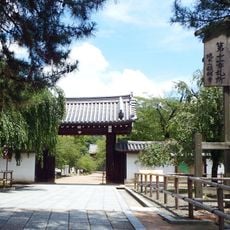
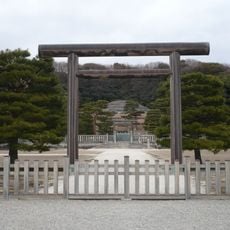
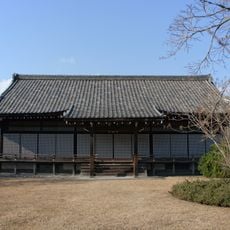
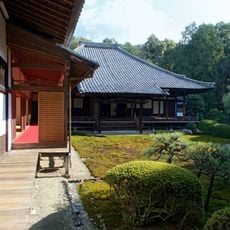
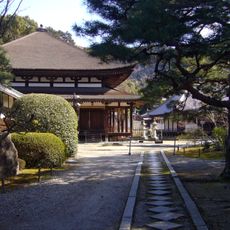
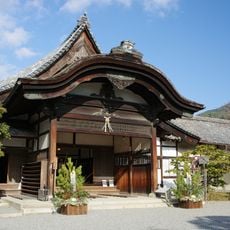
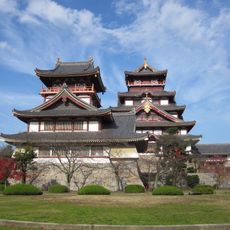
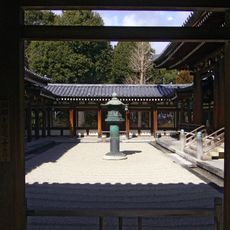
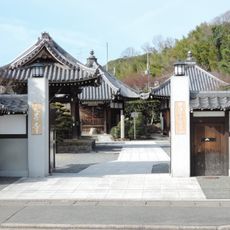
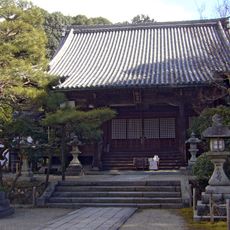
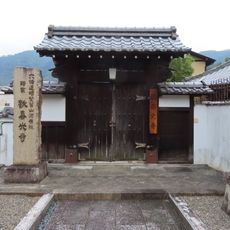
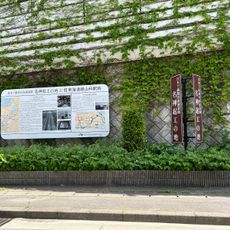
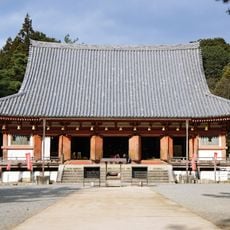
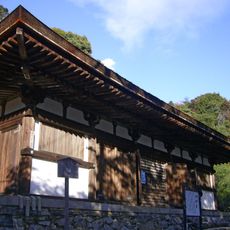
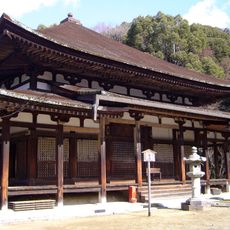
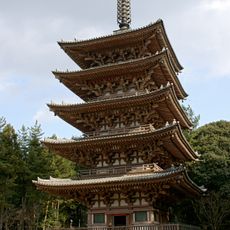
Sanbō-in Garden, Japanese garden of a temple sub-temple in Fushimi-ku, Kyoto, Japan
Sanbō-in Garden is a Buddhist temple garden in Kyoto featuring a central pond, multiple bridges, and islands arranged around water features. The layout combines water surfaces with carefully positioned stones to create a balanced composition.
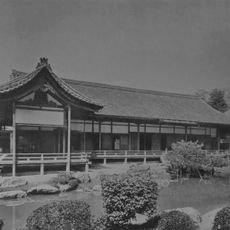
Sanbō-in Garden was laid out from April 1598, after Toyotomi Hideyoshi's cherry-blossom viewing at Daigo-ji, and Hideyoshi himself drew the basic design. Work continued under the monk Yien after Hideyoshi's death that August, with the gardener Kentei among those employed, and lasted 27 years until Yien died in 1624. Originally a viewing garden for the Omote Shoin, tea houses and a walking route were added after his death.
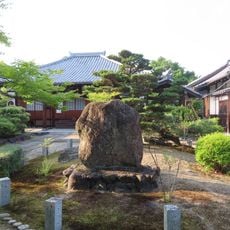
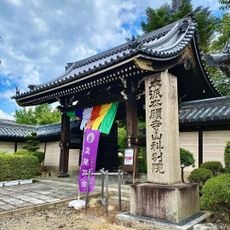
The garden's name comes from Sanbō-in, the subtemple founded in 1115 by the 14th abbot of Daigo-ji, Shōkaku. Toyotomi Hideyoshi had the garden built after his 1598 cherry-blossom viewing at Daigo-ji, and the name Sanbō-in was transferred to the former Kongōrin-in. The central stone, Fujito-ishi, came from the Hosokawa residence and was moved by Hideyoshi from Jurakudai.
The garden sits in a densely built urban area, so wear comfortable shoes and allow extra time to navigate to it. Early mornings or weekday visits work best to avoid crowds and enjoy the space more fully.
The garden is deliberately designed to be viewed from specific temple rooms, where carefully composed landscape scenes appear from within the building. This practice shows how the garden and temple function as a unified experience rather than separate elements.
The community of curious travelers
AroundUs brings together thousands of curated places, local tips, and hidden gems, enriched daily by 93,660 contributors worldwide.